


Benefits of Shea Butter for Face, Body, and Hair: The Secret to Natural Hydration

For a long time, nature has held various beneficial secrets for our skin and hair care. One of the most precious gifts from nature is shea butter. This natural ingredient has been used for centuries by communities in West Africa as a versatile moisturizer and skin protector.
Shea butter is extracted from the nuts of the shea tree or Vitellaria paradoxa, known as the tree of life. Its rich nutritional profile makes it a favorite ingredient in various premium skincare products, including L'Occitane's range. Its ability to nourish and protect extends beyond the skin, also benefiting hair and other body areas.
This article will delve into everything about the benefits of shea butter, from its nutritional content and how it works on the skin, to effective usage tips. You will also find recommendations for L'Occitane products that harness the natural power of shea butter to help your skin and hair look healthier.
What is Shea Butter? Understanding its Content & Origin
Shea butter is a creamy natural fat extracted from the nuts of the shea tree, which thrives in the African savannas. This tree is also known as Karité, meaning "tree of life" in local languages, highlighting its importance to the indigenous communities. The extraction process involves crushing, boiling, and stirring the nuts to produce the thick fat known as shea butter.
Rich in nutrients, shea butter is an excellent emollient capable of locking moisture into the skin. Its main components include vitamins A, E, and F, as well as a significant amount of essential fatty acids crucial for skin health. This unique combination allows shea butter not only to moisturize but also to help support the skin's protective function.
Key Nutritional Contents of Shea Butter
The power of shea butter lies in its rich and diverse nutritional profile. Here are some key components that make it a standout ingredient in skincare:
-
Essential Fatty Acids: Shea butter contains high concentrations of oleic, stearic, and linoleic acids. These fatty acids are crucial for maintaining the integrity of the skin barrier, helping to support skin hydration, and making it softer and more supple. Stearic acid, for example, helps form a protective layer on the skin.
-
Vitamin A: Also known as retinol, vitamin A plays a role in helping to support skin cell regeneration, maintaining elasticity, and promoting a smoother skin appearance.
-
Vitamin E: This powerful antioxidant helps protect the skin from damage caused by free radicals and environmental stress. Vitamin E also contributes to skin hydration and elasticity.
-
Vitamin F: Linoleic acid is also often referred to as vitamin F. This vitamin is vital for maintaining a healthy skin barrier and helping the skin retain its moisture.
Key Benefits of Shea Butter for Skin Health
With its abundant nutritional content, shea butter offers various significant benefits for your skin's health and appearance.
1. Intensively Moisturizing and Nourishing the Skin
Shea butter is a superior natural moisturizer. Its high concentration of fatty acids, such as oleic and linoleic acids, helps lock moisture within the skin. It creates a protective layer that prevents water evaporation from the epidermis, leaving the skin feeling comfortable, soft, and deeply hydrated. Despite its richness, shea butter tends to be non-comedogenic, meaning it does not clog pores.
Read Also: Best Moisturizers for Dry, Oily, and Combination Skin
2. Helping to Support Skin Barrier Repair
The skin barrier is the outermost layer of the skin responsible for protecting against external aggressions such as pollution, extreme weather, and bacteria. The essential fatty acids in shea butter, especially linoleic acid, play a crucial role in helping to support and improve the integrity of the skin barrier. With a healthy skin barrier, the skin becomes stronger, better able to retain moisture, and more resistant to irritation.
3. Relieving Irritation and Helping to Soothe the Skin
Shea butter possesses natural anti-inflammatory properties thanks to compounds like lupeol cinnamate and esters. This quality makes it an excellent choice for helping to relieve irritated or reddened skin. It can help soothe discomfort from dry, itchy skin, or sensitive conditions. Shea butter supports the skin's natural healing process, helping the skin feel more comfortable.
4. Helping to Reduce the Appearance of Early Signs of Aging
The presence of vitamins A and E in shea butter makes it an effective antioxidant agent. These antioxidants help combat free radicals that can damage skin cells and accelerate the signs of aging. Furthermore, shea butter helps support collagen production, a protein essential for skin elasticity and firmness. With regular use, shea butter can help improve skin appearance and reduce the visibility of fine lines and wrinkles.
5. Helping to Diminish the Appearance of Stretch Marks and Scars

Shea butter has long been traditionally used to help diminish the appearance of stretch marks and scars. Its strong emollient properties and ability to help support skin cell regeneration can improve skin elasticity. While it cannot completely remove stretch marks or scars, regular use of shea butter can help the skin appear smoother and reduce their visibility.
Read Also: Know the Essential of Daily Skincare Routine
Benefits of Shea Butter for Hair Care and Other Body Areas
The goodness of shea butter is not limited to facial skin but also extends to hair care and other body parts that require extra attention.
1. Nourishing Dry Hair and Scalp

Shea butter is a fantastic natural moisturizer for dry and brittle hair. It helps lock moisture into each strand, reducing breakage and preventing split ends. Furthermore, its soothing properties also benefit dry and itchy scalps, helping to create a healthier environment for hair growth. Its use can make hair feel softer, shinier, and more manageable.
2. Care for Chapped Lips and Cracked Heels

Body areas such as lips and heels often experience extreme dryness and cracking. Shea butter is an effective natural solution for these issues. Its application on the lips can help address dry and chapped lips, while on the heels, it works intensively to soften calloused skin and help improve the appearance of cracked skin, restoring softness and comfort.
Read Also: Exfoliation, How to Overcome Various Skin Problems
Shea Butter and its Suitability for Different Skin Types
Despite its richness and density, shea butter is known for its suitability for various skin types.
|
Skin Type |
Suitability |
Notes |
|
Dry Skin |
Highly Suitable |
Ideal for intensive hydration, helping to soothe tight and flaky skin, and forming a rich protective layer. |
|
Sensitive Skin |
Highly Suitable |
Anti-inflammatory properties help relieve redness and irritation. Dermatologically tested and generally well-tolerated. |
|
Oily Skin |
Suitable (with caution) |
Despite its richness, shea butter is generally non-comedogenic. Use in small amounts or products with a balanced concentration of shea butter so it doesn't feel too heavy. |
|
Acne-Prone Skin |
Suitable (with caution) |
Choose pure shea butter products or lightweight, non-comedogenic formulations. Can help soothe inflammation, but perform a patch test first. |
|
Normal Skin |
Suitable |
Maintains moisture, nourishes, and protects the skin to preserve its natural health and radiance. |
How to Use Shea Butter in Your Skincare Routine
Integrating shea butter into your daily care routine is quite easy and can be tailored to your skin's needs.
1. Application on the Face
For the face, you can use face moisturizer products containing shea butter as part of your morning and evening routine. Take a small amount of product, warm it in your palms, then gently massage it all over your face and neck after cleansing and applying serum.
Read Also: 5 Morning Skincare Steps, Glowing Face Without Hassle!
2. Use for the Body
After showering, while your skin is still slightly damp, apply shea butter or a shea butter-based body cream all over your body. Focus on areas prone to dryness such as elbows, knees, and feet. This will help lock in moisture and keep your skin soft throughout the day. You can also use it as a massage balm for relaxation while nourishing the skin.
3. Incorporating it into Hair Care
For hair, shea butter can be used as a pre-shampoo mask or a leave-in conditioner. For a mask, take a small amount of shea butter, melt it by warming it, then apply it to dry hair from roots to ends. Leave it on for 20-30 minutes before shampooing. As a leave-in, use a very small amount on damp hair ends to help combat frizz and add shine.
Shea Butter vs. Other Natural Moisturizing Ingredients
To understand the advantages of shea butter, let's compare it with several other popular natural moisturizing ingredients.
|
Feature / Ingredient |
Shea Butter |
Coconut Oil |
Olive Oil |
Aloe Vera |
|
Key Ingredients |
Fatty acids (oleic, stearic, linoleic), Vitamins A, E, F |
Lauric acid (medium-chain), Vitamin E |
Oleic acid (long-chain), Vitamin E, Polyphenols |
Water, Vitamins (A, C, E), Minerals, Enzymes, Polysaccharides |
|
Texture |
Solid at room temperature, melts on skin contact, rich |
Solid at room temperature, melts on skin contact, slightly oily |
Liquid at room temperature, slightly oily |
Gel, lightweight, fast-absorbing |
|
Main Functions |
Intensive moisturizing, soothing, skin barrier repair, anti-aging |
Antiseptic, moisturizing, hair nourishing |
Antioxidant, moisturizing, skin protection |
Cooling, soothing, hydrating, healing |
|
Comedogenic Rating |
Low (generally 0-2) |
Moderate-High (3-4) |
Low (2) |
Very Low (0) |
|
Ideal Skin Types |
Dry, Sensitive, Normal, Mature |
Dry (caution for acne), Hair |
Dry, Normal |
Oily, Acne-prone, Sensitive, Post-sun exposure |
|
Uniqueness |
Excellent for skin barrier, strong anti-inflammatory, rich in vitamins |
Natural antimicrobial properties, suitable for hair and body |
Rich in antioxidants, suitable for massage and masks |
Very soothing, hydrating without heaviness, fast-absorbing |
L'Occitane Product Recommendations with Shea Butter
L'Occitane, an international premium skincare brand from Provence, France, has long relied on the power of natural shea butter, responsibly sourced from Burkina Faso. We integrate this ingredient into various dermatologically tested formulations to deliver the best results for your skin. Discover a range of shea butter-rich products in the L'Occitane Shea Butter Collection.
1. Karité Hand Balm
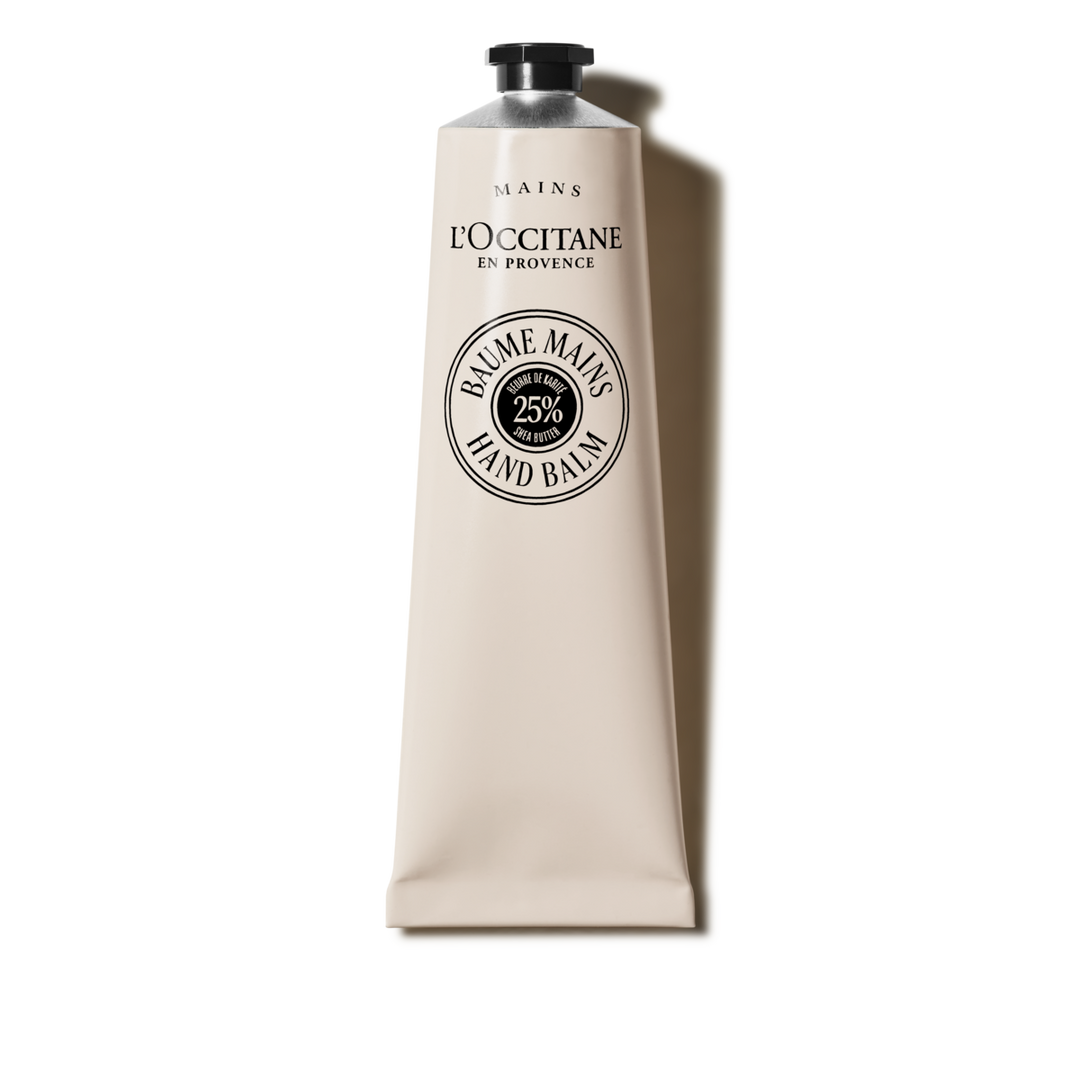
Karité Hand Balm is our favorite hand balm with an ultra-rich formula containing 25% Shea Butter. This balm intensely nourishes and helps repair dry to very dry hands. Its luxurious, melting texture provides instant comfort while forming a protective layer against external aggressors, making it ideal for those seeking effective relief for dry hands.
This product nourishes, softens, and helps improve the appearance of dry hands, making them feel more comfortable and protected. It is highly suitable for sensitive skin and provides intensive hydration.
2. Shea Ultra Rich Face Cream
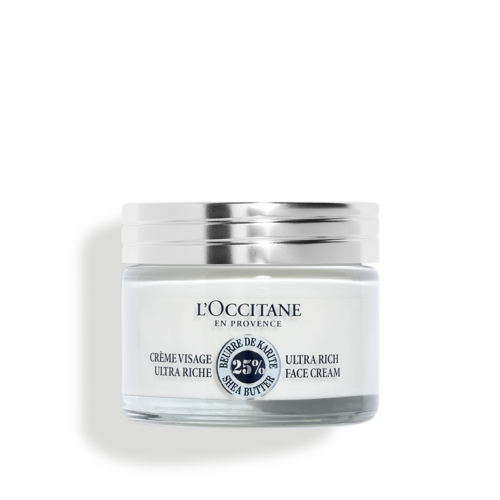
Shea Ultra Rich Face Cream is a rich face moisturizer designed to soothe and soften sensitive skin. Enriched with 25% shea butter, this cream provides up to 48 hours of hydration, helping to strengthen the skin barrier, and making skin feel stronger and nourished. Ideal for dry and uncomfortable skin, this product is also suitable for sensitive skin and the whole family (ages 3+).
3. Karité Confort Ultra Rich Body Cream
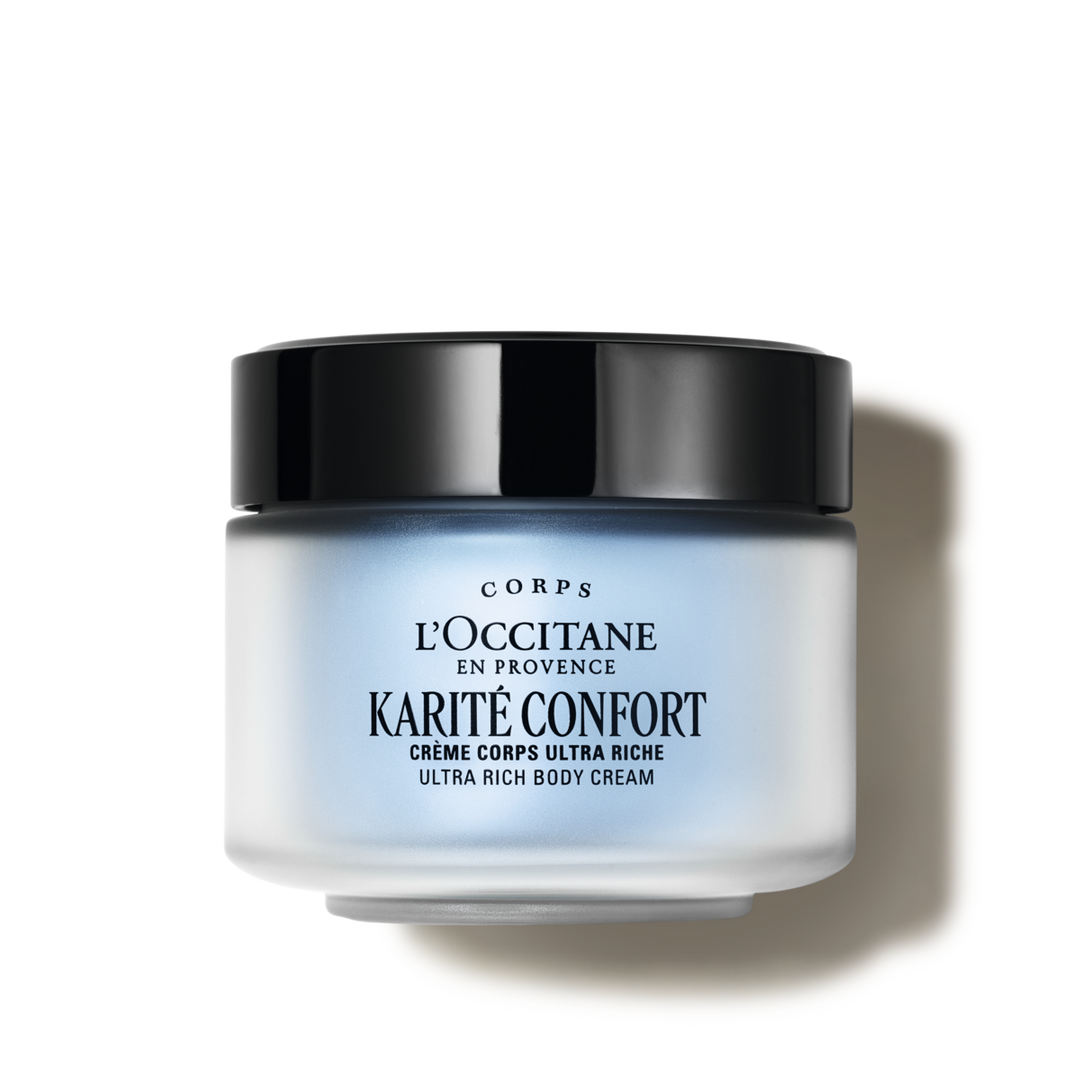
Envelop your skin in the comfort of Karité Confort Ultra Rich Body Cream. With 25% Shea Butter, this luxurious body cream melts easily into the skin to soothe dryness, reduce discomfort, and support the skin's natural protective skin barrier.
Crafted with over 95% natural-origin ingredients and dermatologically tested, this cream is highly suitable for sensitive skin. L'Occitane is committed to sustainable Shea sourcing in West Africa, empowering 6,000 women while helping to preserve Shea trees and their surrounding ecosystem.
Conclusion
Shea butter is an invaluable gift from nature for skin and hair care. Its rich nutritional content, ranging from essential vitamins to fatty acids, makes it a versatile ingredient capable of moisturizing, soothing, protecting, and helping to improve skin appearance. Whether addressing dry skin, supporting the skin barrier, or nourishing brittle hair, the benefits of shea butter have been proven for generations.
Integrating shea butter into your skincare routine is an investment in long-term skin health. With its ability to maintain skin balance and provide comprehensive protection, shea butter helps your skin look healthier and feel comfortable.
L'Occitane is proud to offer products formulated with high-quality, ethically sourced shea butter to meet your skincare needs with a touch of natural luxury from Provence. Discover the natural power of shea butter and experience the difference it makes for your skin and hair.
Frequently Asked Questions (FAQ) About Shea Butter
What is shea butter used for?
Shea butter is widely used as a natural moisturizer for dry skin, helping to soothe irritation, support skin barrier repair, and nourish hair and scalp. It is also effective for treating chapped lips and dry heels.
Can I apply shea butter to my face every day?
Yes, shea butter is generally safe to apply to your face every day, especially if you have dry or sensitive skin. Choose products with balanced, non-comedogenic formulations, and perform a patch test if your skin is very reactive.
How does shea butter work on the skin?
Shea butter works as an emollient, forming a protective layer on the skin's surface to lock in moisture and prevent water evaporation. Its content of essential fatty acids, vitamins A, E, and F also nourishes the skin, helping to support cell regeneration, and reduce inflammation.
Is shea butter suitable for acne-prone skin?
Despite its richness, shea butter is generally considered non-comedogenic (does not clog pores) with a low rating. It is suitable for most skin types, including those prone to acne, but it is advisable to perform a patch test and choose lightweight formulations.
How many times a day can shea butter be used?
Shea butter can be used 1-2 times a day, depending on your skin's needs. For very dry skin, you can use it twice daily (morning and evening). For hair care, 2-3 times a week is sufficient.


