


How to Care for Dry Body Skin: A Complete Guide to Healthy, Comfortable Skin

Have you ever stepped out of the shower, applied your body lotion, and yet within the hour your arms and legs already feel rough and uncomfortable again? It can feel like a cycle that never quite resolves, even when you are doing what you are supposed to. Dry body skin is not purely an aesthetic concern; it is a matter of daily comfort that you deserve to feel at ease with.
In many cases, the root cause is not a lack of effort, but rather habits and environmental conditions that have simply gone unrecognised. This guide is not just a list of tips, it is designed to help you understand why your body skin feels dry, and what can genuinely be changed, starting from the most straightforward adjustments.
Understanding Dry Body Skin: More Than Just Rough Skin
Knowing how to care for dry body skin effectively starts with understanding what the condition actually involves. Dry body skin is a condition in which the skin is unable to retain adequate moisture within its layers, resulting in a rough, tight, dull, or lightly flaking appearance and sensation. The areas most commonly affected are the shins, elbows, knees, and backs of the hands: parts of the body that are frequently overlooked because skincare attention tends to centre on the face.
One important distinction worth clarifying: dry skin and dehydrated skin are two different conditions, even though they can feel similar. Dry skin is a skin type, meaning the skin naturally produces fewer lipids (protective oils) than other skin types. Dehydrated skin, on the other hand, is a temporary condition in which the skin's water content is reduced, and it can affect all skin types, including oily skin. Understanding this difference matters because the two conditions call for different care approaches.
Why Does Body Skin Become Dry? Causes That Often Go Unnoticed
Shower Habits That Quietly Reduce Skin Moisture
Certain shower habits that feel entirely normal can affect your skin's condition when repeated over time.
Showering with water that is too hot is one of the most commonly overlooked causes. Hot water breaks down the skin's natural lipid layer far more quickly than most people realise, and this is particularly relevant in Indonesia, where a warm evening shower after a long day is a deeply familiar routine that can quietly work against the skin.
Body washes with strong surfactants also play a significant role. The more abundantly a product lathers, the stronger its surfactant content tends to be, and the more of the skin's protective lipids are lifted away along with the dirt. This is precisely what causes that tight, uncomfortable feeling after washing, a sign that the skin's protective layer has been stripped in the process.
One more small habit with a meaningful impact: drying the body by rubbing the towel vigorously. This does not only remove surface moisture, it also disrupts skin cells that are still actively providing protection.
Environmental Factors Specific to Daily Life in Indonesia
Indonesia's particular environment has a quite specific influence on skin health that mainstream skincare content rarely addresses directly.
Prolonged exposure to air-conditioned spaces is one of the largest contributing factors. Offices, shopping centres, and public transport in Indonesia mean that many people spend the majority of their day in artificially dry, cool air, conditions that gradually draw moisture from the skin, often without any noticeable sensation of it happening.
Tap water in major Indonesian cities typically contains chlorine, used in the municipal water treatment process, which with daily exposure can cumulatively disrupt the skin's natural pH balance over time.
The heat and sweat cycle of a tropical climate also plays a role. Hot weather causes perspiration, which leads to more frequent showering, and without the right approach, this frequency accelerates the gradual removal of the skin's protective layer. It is a cycle that is especially relevant to everyday life in Indonesia yet is rarely discussed in the context of body skincare.
Post-Shower Habits That Affect Skin Moisture
The timing of moisturiser application turns out to matter far more than most people realise. The optimal window for locking in moisture is within the first three to five minutes after showering, while the skin is still slightly damp. If this moment passes, the moisture from bathing evaporates quickly and the skin returns to its previous dry state.
Adequate water intake from within also plays a supporting role, though it is not the sole determining factor. Internal hydration supports the skin's ability to respond to external care more effectively.
What Does Dry Skin Actually Need?
Before moving into the routine, it helps to understand what dry skin genuinely requires, because the right approach starts with the right understanding, not simply adding more products.
Dry skin has two core needs: emollients and humectants. Emollients work by filling the spaces between skin cells, softening and conditioning the skin from the outside. Humectants work by attracting and retaining water within the skin's layers. Effective body care products for dry skin ideally deliver both, not just one or the other.
The Difference Between Moisturising and Simply Coating the Skin
This is an important distinction that often goes unnoticed. Many body lotions on the market work by coating the skin's surface temporarily, their high water content makes skin feel smooth immediately after application, but the effect fades within a few hours because the product does not genuinely support the skin's ability to retain moisture on its own.
Effective moisturisation means supporting the skin barrier from within: supplying the lipids the skin needs to hold onto moisture independently, rather than relying entirely on an external layer from a product. This is why plant-based oils, whose fatty acid structure closely resembles the skin's own natural lipids, tend to work more effectively for dry skin than standard water-based lotions.
The key to effective dry skin care is not how expensive the product is, but how consistently the right routine is followed.
A Routine for Dry Body Skin: Three Steps That Are Enough
Knowing how to care for dry body skin does not require a complicated process or a large collection of products. Here is a three-step routine that can be incorporated into any daily schedule, without adding meaningful time or effort.
Step One: Refining How You Shower
The most impactful changes often begin inside the bathroom, not after it.
Use warm water, not hot. For skin that is already prone to dryness, even warm water is best used within a reasonable duration, ten to fifteen minutes is sufficient. The longer the shower with hot water, the more of the skin's protective layer is broken down in the process.
The choice of body cleanser also makes a real difference. Oil-based cleansers or shower oils work through a different mechanism than conventional body wash, they lift away dirt without stripping the skin's natural lipids, leaving the skin feeling comfortable even after washing.

L'Occitane Almond Shower Oil works differently from a regular body wash, cleansing and nourishing the skin simultaneously, without removing its natural moisture. For a more complete understanding of how shower oil works and why it benefits dry skin, our Shower Oil 101 guide covers this in full.
One small detail that is often overlooked: avoid scrubbing the skin with a rough loofah, particularly on areas already prone to dryness such as the shins and elbows. Use the hands or a soft cloth instead.
Step Two: Locking in Moisture Immediately After Showering
After bathing, pat the skin gently dry with a clean towel, do not rub. Leave a slight residual moisture on the skin's surface before applying moisturiser. The skin does not need to be completely dry before a product is applied; in fact, that slight remaining dampness helps the moisturiser absorb more effectively.
Apply moisturiser within three to five minutes of finishing the shower, this is the optimal window. If it passes, the moisture from bathing evaporates and the skin simply returns to its dry baseline.
For very dry body skin, choose a product in a richer format, a milk concentrate or body butter, rather than a standard light lotion. A richer texture contains a higher concentration of emollients, and this is what dry skin genuinely needs to feel a meaningful difference.
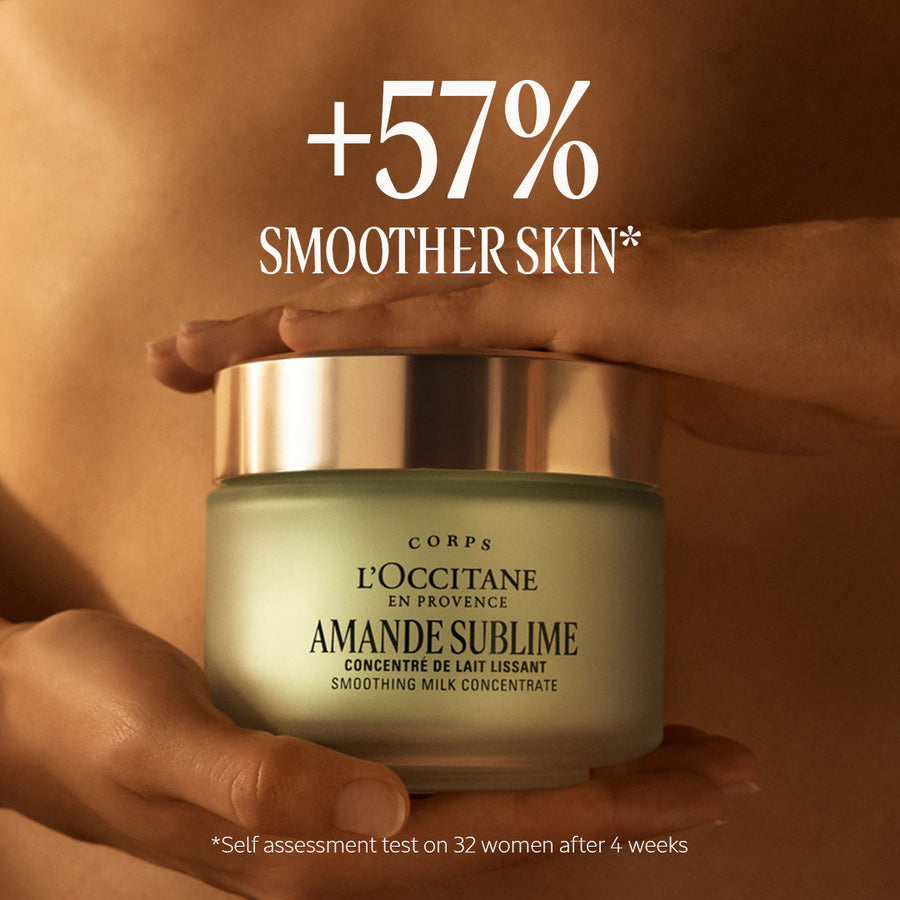
Almond Milk Concentrate from L'Occitane, for example, is formulated to moisturise while helping to support the suppleness of your body skin, ideal for use directly after showering.
Step Three: Maintaining Moisture Throughout the Day
A good shower routine builds the foundation, but maintaining moisture through the day extends its benefit.
If you spend the majority of your time in air-conditioned environments, consider reapplying a light moisturiser at midday, particularly to the areas most prone to dryness: elbows, knees, and the backs of the hands. This small step can make a noticeable difference by the afternoon.
Keeping up with adequate water intake throughout the day also supports the skin's ability to respond to external care more effectively, not a replacement for moisturiser, but a complement that should not be overlooked.
In terms of clothing, loose-fitting natural fabrics such as cotton are preferable where possible. Synthetic materials that fit tightly can create friction against dry skin and gradually worsen rough texture over time.
What Those with Dry Skin Should Avoid
Understanding what to avoid is just as important as knowing what to do. Reducing a few of these everyday habits can make a meaningful difference to the condition of your body skin over time.
Heavily Fragranced Body Washes With Synthetic Perfume Compounds
The synthetic fragrance and alcohol content in certain products can irritate dry skin and intensify the tight feeling after bathing. This does not mean every scented product needs to be avoided, but paying attention to how your skin responds after use is worthwhile.
Excessive Or Overly Abrasive Exfoliation
Exfoliation is actually beneficial for dry skin as it helps moisturiser absorb more effectively, but done too frequently or with a texture that is too harsh, it can weaken the skin's protective barrier. Once a week with a gentle formula is sufficient. For guidance on the right approach to exfoliation, our article on exfoliation for skin is a helpful reference.
Extended Hot Showers
This was addressed earlier in the article but is worth reinforcing here, as it is the habit with the most significant impact on dry skin, and also the most difficult to change. If there is only one adjustment you can make today, lowering the temperature of your shower water is the one with the greatest effect.
Putting on Tight Clothing Immediately After Showering Without Moisturising First
Friction between fabric and un-moisturised skin can worsen rough texture over time, particularly in areas such as the upper arms and inner thighs.
Natural Ingredients That Work Well for Dry Body Skin
Why Plant-Based Oils Are Effective for Dry Skin
Plant-based oils are among the most relevant ingredient categories for dry skin, and there is a clear reason why. The fatty acid structure of plant oils closely resembles the skin's own natural lipids, which means they are absorbed more readily and integrate with the skin's protective barrier more effectively than purely synthetic alternatives. They do not simply sit on the surface; they work alongside the skin's natural mechanisms.
Sweet almond oil is one of the most fitting examples for dry skin. It is lightweight without leaving a greasy film, naturally rich in oleic and linoleic fatty acids, and contains Vitamin E, a combination that supports lasting skin softness without the heavy feeling many people want to avoid. For sensitive skin in particular, sweet almond oil is well-regarded for being non-comedogenic and non-irritating, making it suitable for daily use even when skin is significantly compromised by dryness.
One thing worth noting when choosing oil-based body care products: the concentration of the natural oil content determines its effectiveness in practice. A product with a natural oil content above 40% delivers meaningfully different results compared to one where oil appears as a minor addition near the bottom of the ingredient list. Silicium, a plant-based silica extract, is also a noteworthy complementary ingredient: when paired with almond protein, it helps firm and smooth skin texture, which is particularly relevant for dry skin that also tends to appear dull or feel rough.
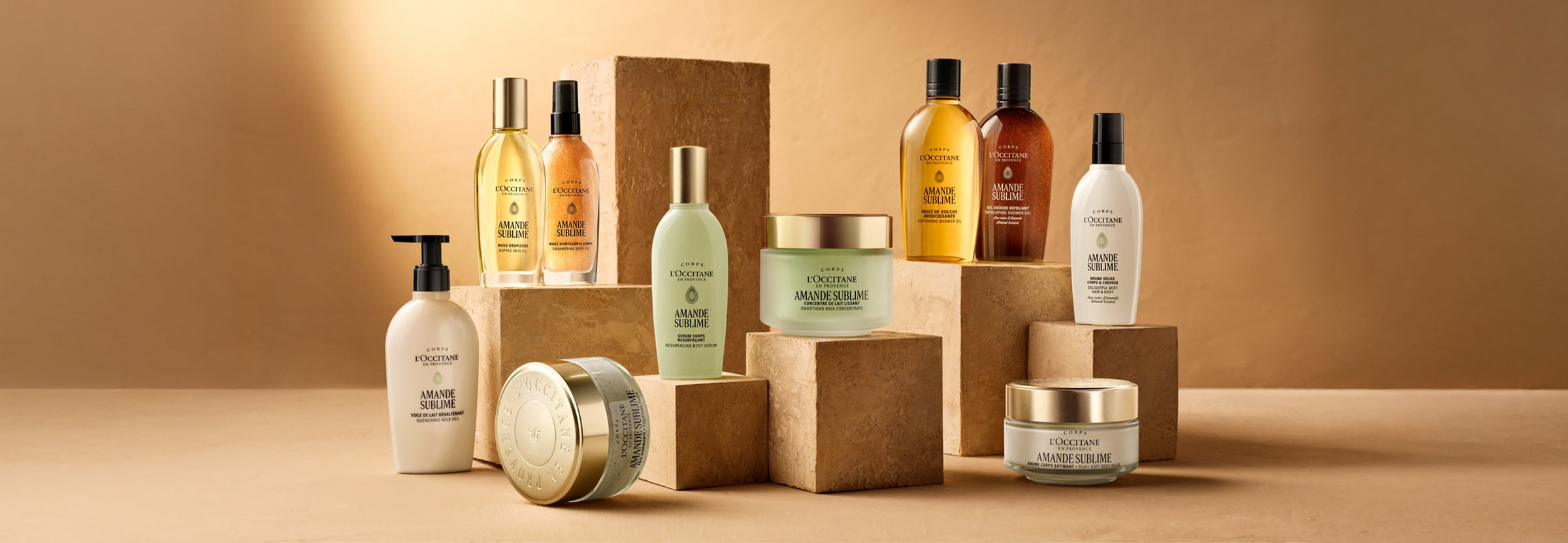
This is why body care products formulated with sweet almond oil at a meaningful concentration, such as L'Occitane's Almond Collection, make a sensible choice for dry body skin: lightweight, nourishing, and comfortable enough for daily use without ever feeling heavy on the skin.
Caring for dry body skin does not require an extensive routine or a shelf full of products. What matters most is consistency and choosing products that genuinely address the skin's needs, not just coat it temporarily. Small, consistent changes, in shower habits, in the timing of moisturiser application, in the choice of body cleanser, have a more meaningful long-term impact than occasional intensive treatment.
If you are looking for a simple place to start, even switching your shower product can already make a difference you will notice every day. To take the next step, our guide on the difference between shower oil and body wash is a practical starting point, a small change that can become the beginning of a routine your skin will genuinely benefit from.
FAQs About How to Care for Dry Body Skin
1. What should I use if my body skin is dry?
For dry body skin, prioritise two things: a cleanser that does not strip the skin's natural moisture, such as an oil-based shower oil, and a moisturiser containing emollients and humectants, applied within three to five minutes of showering while the skin is still slightly damp. Products in a richer format such as a milk concentrate or body butter are generally more effective for dry skin than standard light lotions.
2. What causes very dry skin all over the body?
The most common causes are a combination of showering with water that is too hot, body washes with strong surfactants that strip the skin's natural lipids, prolonged exposure to air-conditioned environments, and missing the optimal window to apply moisturiser after bathing. In Indonesia specifically, the heat-sweat-shower cycle that comes with a tropical climate compounds this further, particularly for those who shower twice a day without using a gentle enough cleanser.
3. What can I use to keep dry body skin moisturised?
Use a moisturiser containing emollients, such as plant oil-based products, to condition and fill the skin's lipid layer, alongside humectants to help retain water within the skin. Equally important is the timing: apply moisturiser within the first three to five minutes after showering for the best results.
4. What should people with dry skin avoid?
Avoid heavily fragranced body washes with synthetic perfume compounds and high alcohol content, exfoliating products used too frequently or with too coarse a texture, and extended hot showers. These three are the most common habits that worsen dry skin, even when they go unnoticed as the cause.
5. Can dry body skin improve with moisturiser alone?
Moisturiser is an important part of caring for dry skin, but it is not the only factor that determines the outcome. If shower habits, water temperature, cleanser type, how the body is dried, are not addressed, the benefit of moisturiser will be limited because the skin's protective layer continues to be stripped every day. The most effective approach is to address both together: a gentler shower routine, followed by the right moisturiser applied immediately afterward.


