


7 Ways to Treat Damaged Hair Naturally and Effectively
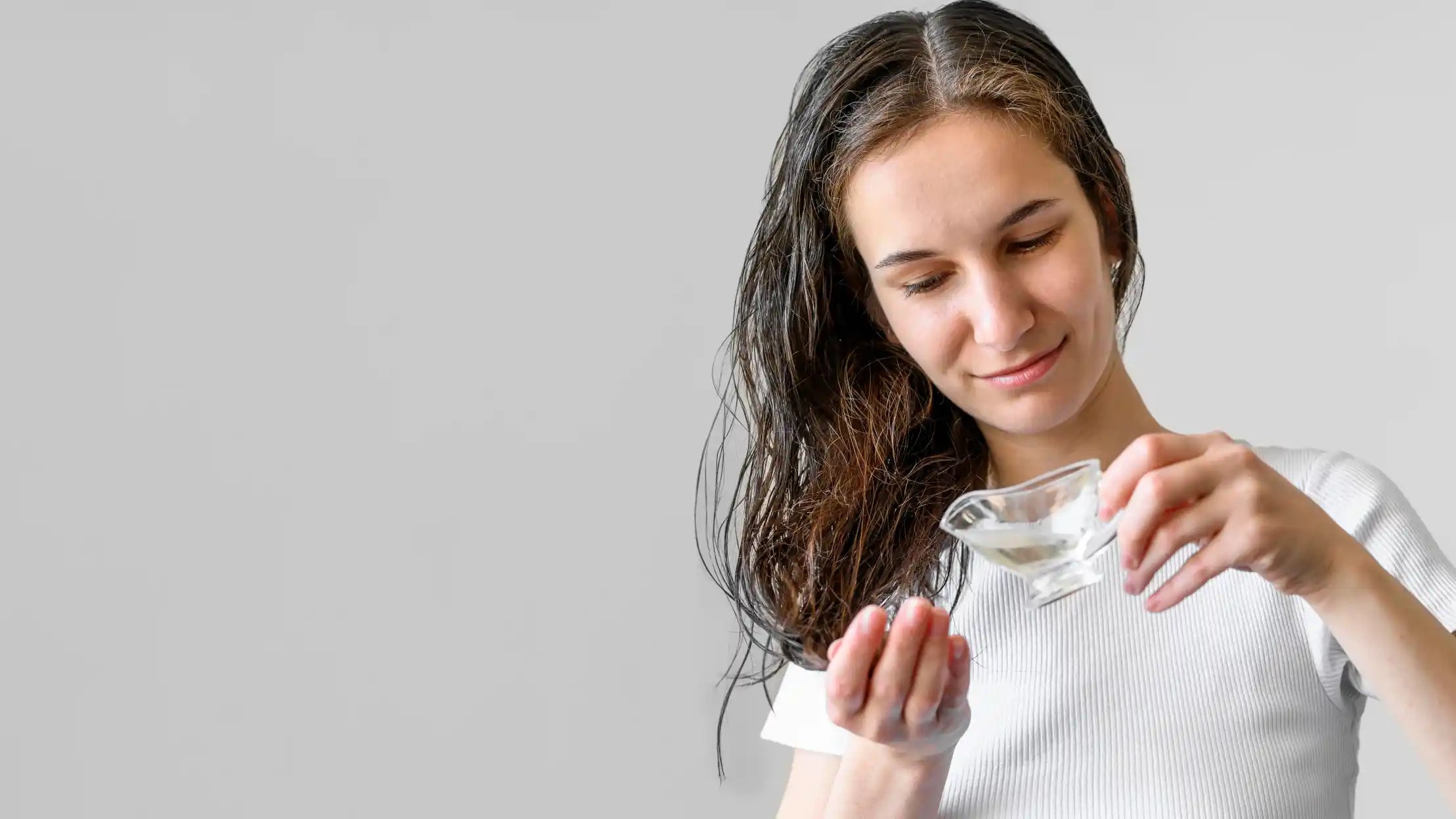
Does your hair feel dry, unmanageable, brittle, and prone to falling out? If so, it could be a sign that your hair is damaged. Damaged hair shouldn't be ignored for too long as it can cause further harm to your hair's structure.
Damaged hair can occur for various reasons, ranging from a lack of essential nutrients for hair growth to excessive styling habits such as frequent use of flat irons, hair dryers, or other heat styling tools. However, damaged hair can be repaired through several natural methods, learn more below.
Signs of Damaged Hair
Before discovering how to naturally treat damaged hair, you need to know how to identify it. Here are the signs of damaged hair:
1. Dry and Dull Hair
Dry and dull hair feels rough, stiff, hard to manage, and tends to have many split ends. This happens because the hair has lost its natural oils in the cuticle layer.
Read Also: Effective Hair Care Tips
2. Frizzy Hair
This usually happens due to a lack of moisture in the hair. When your hair isn’t well-hydrated, it absorbs moisture from the air, causing strands to swell and become frizzy and hard to manage. Frizzy hair looks puffy, tangled, and messy.
3. Tangled Hair
Tangled hair is marked by strands that intertwine and form knots, making it difficult to comb. This typically occurs when the cuticle layer is damaged from excessive styling, sun exposure, or harsh chemicals.
4. Split Ends
Split ends appear as the tips of the hair splitting into two, resembling the letter "Y" or even further splitting. These ends feel dry and break easily due to lack of moisture.
5. Hair Loss and Thinning
Hair loss and thinning are visible through changes in hair volume, density, and hairline shape. You may notice more hair falling out when brushing or washing your hair.
Causes of Damaged Hair
From the signs of damaged hair above, the next question is: why does hair become damaged? Damaged hair mostly results from excessive heat exposure and lack of nutrition. Here are the details:
1. Excessive Use of Styling Tools
The heat from flat irons, blow dryers, or curling irons can damage the hair cuticle and strip away its natural moisture. Instead of making your hair look neat, overusing these tools can lead to frizz due to damage in hair structure.
2. Harsh Chemical Treatments
Hair coloring, straightening, or bleaching using strong chemicals can leave hair dry, dull, and brittle. Furthermore, harsh chemicals can damage the hair follicles—especially if they reach the scalp—leading to hair loss and eventual thinning.
Read Also: Best Hair Colors for Your Face Shape
3. Brushing Wet Hair
Not many people know that brushing hair when it’s wet can cause it to break and fall out more easily. Hair has weaker protein bonds when wet, so always be gentle or use a wide-tooth comb when detangling wet hair.
4. Using the Wrong Shampoo
Using shampoo that doesn’t match your hair type can negatively affect your hair’s condition.
For example, if your hair is oily but you use a shampoo designed for dry hair, the formula won’t help control oil production, resulting in limp and greasy hair.
Also, shampoos with high sulfate content can strip natural oils from your hair, making it lose its natural moisture. It’s recommended to use a shampoo with natural ingredients for damaged hair.
5. Excessive Stress
Long-term or excessive stress can impact hair health by disrupting its growth cycle. Stress pushes many hair follicles into the resting (telogen) phase earlier than they should. As a result, significant hair loss can occur 2–3 months after peak stress levels.
6. Roughly Rubbing Hair with a Towel
Vigorously rubbing your hair with a towel can damage the cuticle. Hair fibers become fragile, and excessive pressure may pull at the roots, leading to hair fall.
How to Naturally Treat Damaged Hair
You can treat damaged hair naturally by following these steps:
1. Applying Natural Oils
Natural plant-based oils help restore lost moisture caused by heat styling, straightening, or hair coloring. Oils also form a protective layer against sun exposure.
How to Use:
-
Use olive oil, coconut oil, or argan oil to nourish and moisturize hair
-
Gently massage it into your scalp and hair for 30–60 minutes
-
Shampoo to remove excess oil
-
Finally, rinse thoroughly
2. Using Natural Hair Masks
Natural hair masks made from aloe vera, avocado, honey, or banana can nourish dry and dull hair with antioxidants to strengthen strands and restore natural moisture.
How to Use:
-
Prepare 1 ripe avocado and 2 tablespoons of honey
-
Mash the avocado and mix it with honey
-
Apply the mixture evenly to your hair
-
Let it sit for 30–45 minutes
-
Rinse thoroughly with water or shampoo
-
Use 1–2 times a week
3. Limiting the Use of Styling Tools
Avoid making flat irons or hair dryers part of your daily routine—use them only for special occasions. Also, avoid the highest heat setting; use 150–180°C for safer styling. Before styling, always apply a heat protectant to reduce hair damage.
Read Also: Causes of Dry Hair
4. Protecting Hair from Sun Exposure
If you often engage in outdoor activities, make sure to protect your hair by wearing a hat or using an umbrella to shield it from direct UV rays. Choose headwear made of lightweight materials with good air circulation.
5. Avoiding Excessive Chemical Products
Avoiding harsh chemical products is key to caring for and restoring damaged hair. Try to steer clear of hair products that contain chemicals like sulfates, parabens, and high alcohol content.
Opt for natural and organic-based products that are gentler on damaged hair. For example, L’Occitane’s intensive repair hair care collection contains natural oils from angelica, ylang-ylang, sweet orange, lavender, and geranium.
6. Regularly Trimming Hair Ends
Trimming your hair every 6–8 weeks is a simple step to prevent split ends from getting worse. Regular trims also prevent damage from spreading up the hair shaft, helping maintain healthy length and quality.
Read Also: The Essential of Daily Skincare Routine
7. Adopting a Healthy Lifestyle
A healthy lifestyle greatly affects the health and quality of your hair. Provide your hair with proper nutrition by eating foods rich in protein, iron, omega-3 fatty acids, and vitamins.
Also, stay hydrated, get enough rest, exercise regularly, and manage stress effectively. These efforts help maintain hair moisture and improve blood circulation to the scalp.
Hair Care Recommendations from L’Occitane
To make your damaged hair treatment more effective, use L’Occitane’s recommended intensive care products specifically designed for damaged hair. Here are the product recommendations:
1. 5 Essential Oils – Intensive Repair Shampoo 500ml

This shampoo is formulated with a blend of five essential oils: angelica, ylang-ylang, sweet orange, lavender, and geranium, along with provitamin B5, sunflower oil, and plant-based proteins to help strengthen and nourish damaged hair strands.
How to Use:
-
Pour the shampoo into your hand
-
Gently massage into the scalp until it lathers lightly
-
Rinse thoroughly
2. 5 Essential Oils – Intensive Repair Conditioner 500ml

This conditioner completes your damaged hair care routine for optimal results. It contains the same five essential oils—angelica, ylang-ylang, sweet orange, lavender, and geranium—and is enriched with black oat extract, sunflower oil, and provitamin B5. It’s formulated to strengthen and nourish hair from root to tip.
How to Use:
-
Apply to the mid-length and ends of your hair after shampooing
-
Leave it on for 1–2 minutes
-
Rinse thoroughly
3. 5 Essential Oils – Intensive Repair Mask 200ml

For best results, also use the Intensive Repair Mask from L’Occitane, especially for very dry, damaged, or color-treated hair. It’s formulated with the same essential oil blend—angelica, ylang-ylang, sweet orange, lavender, and geranium—combined with plant proteins, sunflower extract with ceramides, and provitamin B5 to repair the cuticle and nourish each hair strand.
How to Use:
-
Apply evenly from the mid-length to the ends of the hair
-
Leave on for 5 minutes
-
Rinse thoroughly
-
Use 1–2 times a week or as needed
With the complete Intensive Repair collection from L’Occitane, damaged hair can become healthy, strong, and shiny again. From shampoo and conditioner to hair mask, each formula is designed to work together to repair damage from root to tip.
Based on the explanations above, start adopting a healthy lifestyle to maintain both your body and your hair. Ensure proper nutrition, regular exercise, and treat your hair with the right products to support overall hair health. With healthy hair, your appearance will look fresher and glowing!


