


A Simple Bathing Routine for Healthy Skin: A Step-by-Step Guide

Showering is probably the most repeated routine in your day. But have you ever stopped to think that the way you shower might be affecting the condition of your body skin? For most people, showering is about getting clean, done, move on. Yet this moment is actually the first opportunity each day to genuinely care for your body skin, not just cleanse it.
This guide will help you understand the correct bathing routine for healthy skin, and how the simple steps within this daily habit can have a real, compounding impact on your body skin over time.
Why the Way You Shower Affects Your Body Skin
Showering is not simply a neutral activity for your skin. The water temperature you choose, the cleanser you use, the order of steps you follow, and the way you dry yourself, all of these have a cumulative effect on the health of your body skin.
The skin has a natural protective layer called the skin barrier, the outermost layer that keeps moisture in and shields the skin from external substances. Hot water, body washes with strong surfactants, and the habit of rubbing the skin too vigorously are the three things most likely to quietly weaken this layer over time.
The signs may already be familiar, such as:
-
Skin that feels tight immediately after showering
-
Dry patches that keep coming back on the shins and elbows
-
Body lotion that seems to absorb instantly but whose effect disappears within an hour
All of these are signals that your shower routine is working against your skin, not with it. For a deeper look at the signs of a weakened skin barrier, our article on the characteristics of a damaged skin barrier is a useful reference.
Choosing a Body Cleanser That Supports Skin Health
Before getting into the step-by-step order, there is one decision in a shower routine that makes the biggest difference: the body cleanser you choose. This is not about brand or price, it is about how the product works on your skin.
-
Conventional surfactant-based body wash lifts away dirt by drawing oils from the skin, including the skin's natural protective oils. The result is clean skin, but the skin's protective layer is gradually stripped away with every shower.
-
Oil-based cleansers, or shower oils, work through a different mechanism, lifting impurities through oil-to-oil affinity, without disturbing the skin's natural oils.
The result is skin that feels clean and comfortable, not dry or tight. For a more in-depth look at the difference between the two, our article on shower oil vs regular body wash covers it in full.
Shower Oil: The Cleansing Upgrade That Changes the Quality of Your Routine
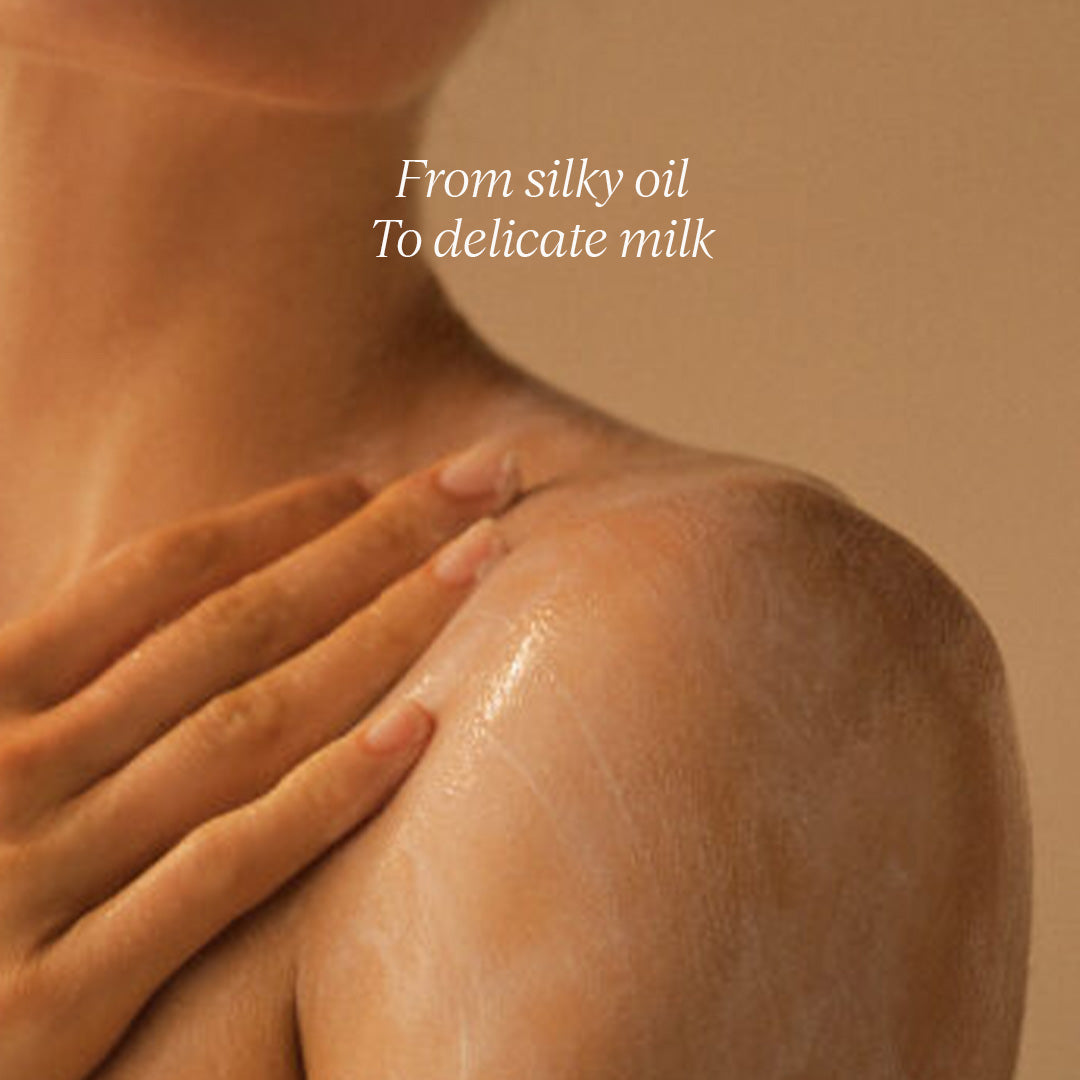
Shower oil is the single most impactful cleanser upgrade in a bathing routine. The oil texture that transforms into a soft, milky lather upon contact with water creates a showering experience that feels genuinely different from regular soap, calmer, more nourishing, and more like caring for yourself than simply getting clean.
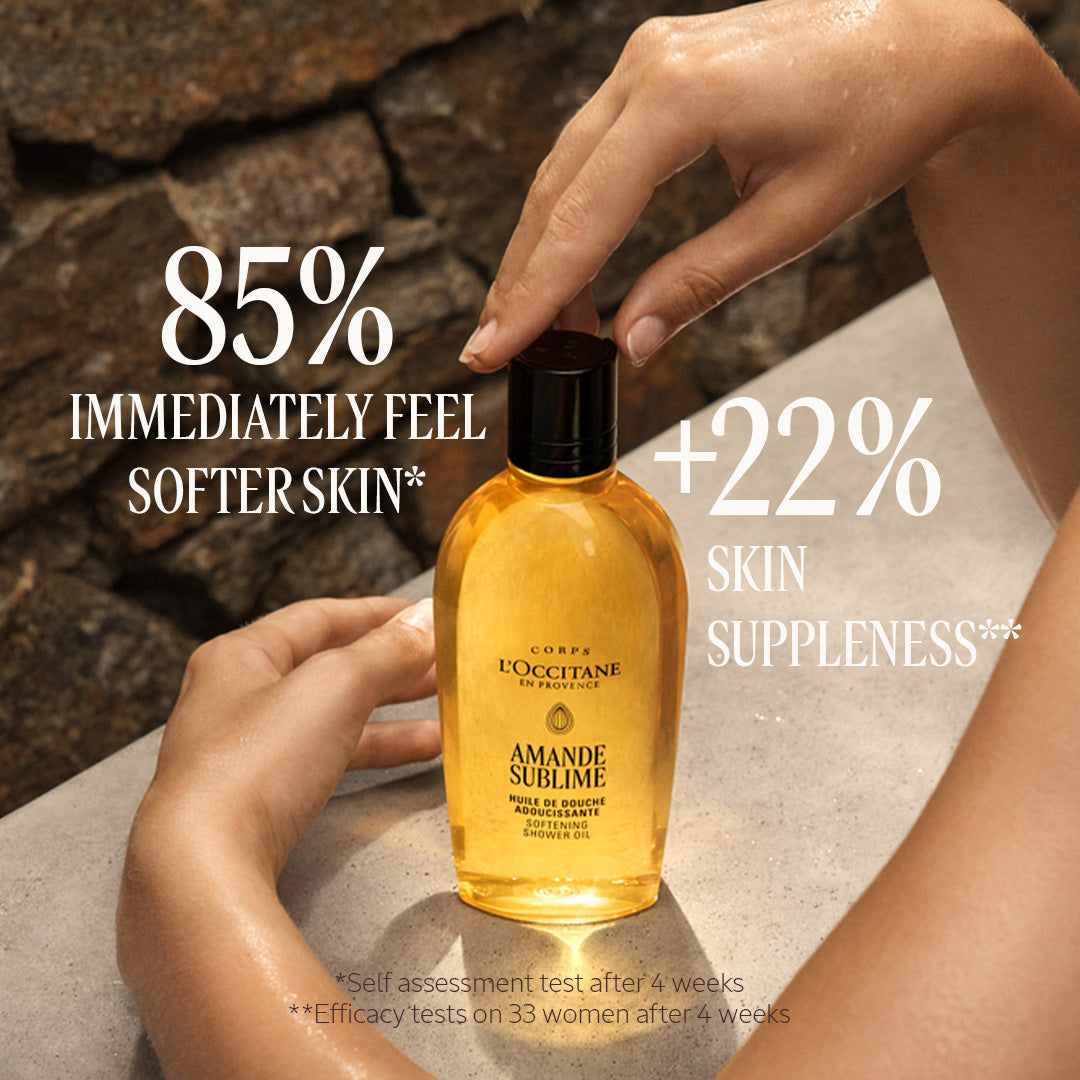
Almond Softening Shower Oil from the Amande Sublime range, for example, is formulated with 40% natural oil based on sweet almond oil and reverse micro-emulsion technology that cleanses while delivering moisture, with clinical testing showing skin feels 25% more moisturised after 4 weeks of regular use on 33 women. For a complete explanation of how shower oil works, read our guide at Guide and Benefits of Shower Oil.
The Correct Bathing Order for Healthy Skin: Step by Step
This is the core of this guide, and the direct answer to a question that comes up often: what is the correct order to shower in? Here is the recommended sequence, designed not just for cleanliness, but specifically to support your body skin's health and moisture retention.
Simple Pre-Shower Preparation That Makes a Big Difference
Set the water to a comfortably warm temperature, not hot. Water that is too hot dissolves the skin's natural oils far more quickly, and this is what causes that tight feeling after showering. In Indonesia, the evening shower after a long day often tends toward warmer water, this is a small adjustment with a meaningful impact on skin health.
If possible, allow the bathroom to steam slightly before stepping in, this helps soften the skin and prepares it to absorb nourishment from the products you use more effectively.
The Correct Steps for Showering
-
Shampoo. Start with the hair and scalp. Allow the shampoo to work for 1–2 minutes before rinsing. This order prevents shampoo residue from running down onto the body skin and potentially clogging pores.
-
Conditioner. Apply from mid-lengths to the ends of the hair. Leave the conditioner to work while you continue to the next steps, this is the most efficient way to use your shower time without standing around waiting.
-
Body wash or shower oil. Cleanse the entire body from the neck downward. If using shower oil, apply it to wet skin, massage in gentle circular motions, and observe how the texture gradually transforms into a milky lather as it meets water. Pay extra attention to areas that tend to run dry, such as the shins, elbows, and knees. Rinse the hair conditioner off at the same time as this step.
-
Brush teeth. Do this after the body cleansing step is complete, not at the beginning, so that toothpaste residue does not run onto body skin that has just been cleaned.
-
Cleanse the face. Always the last step. The purpose is to remove any shampoo, conditioner, and toothpaste residue that may still be present around the face after the rest of the shower.
-
Rinse thoroughly. Make sure no soap, shampoo, or conditioner residue remains on the skin. Product residue that is not fully rinsed off can clog pores and disrupt the skin's natural balance.
After Showering: The Step Most Commonly Skipped
Pat the skin dry gently with a clean towel, do not rub. Rubbing the towel too vigorously removes skin cells that are still actively protecting the skin's surface, rather than simply removing water.
Apply body lotion or body moisturiser within 3–5 minutes of stepping out of the bathroom, while the skin is still slightly damp. This is the most impactful post-shower step, and also the one most commonly skipped or delayed.
The reason is straightforward: in the first few minutes after showering, the skin's surface is still hydrated and open. Moisturiser applied at this point helps lock in the existing moisture. If you wait 15–20 minutes, the surface has already dried out and moisturiser can only add moisture, not lock it in.
Completing the Routine: Post-Shower Care That Compounds the Results
A good shower routine is the foundation. What you do in the 5 minutes afterward is what refines and compounds the results.
Choosing the Right Moisturiser for the Final Step
The moisturiser format you choose post-shower should match your skin's needs. A milk concentrate with a richer texture is well suited for dry to normal skin, its emollient properties help the skin stay balanced throughout the day, particularly for those who spend long hours in air-conditioned environments. A body oil with a lighter texture suits those who prefer a non-sticky finish with the added benefit of elasticity and firming support.
To complete this bathing routine, the Amande Sublime range offers two complementary post-shower care options, which are Smoothing Milk Concentrate and Supple Skin Oil.
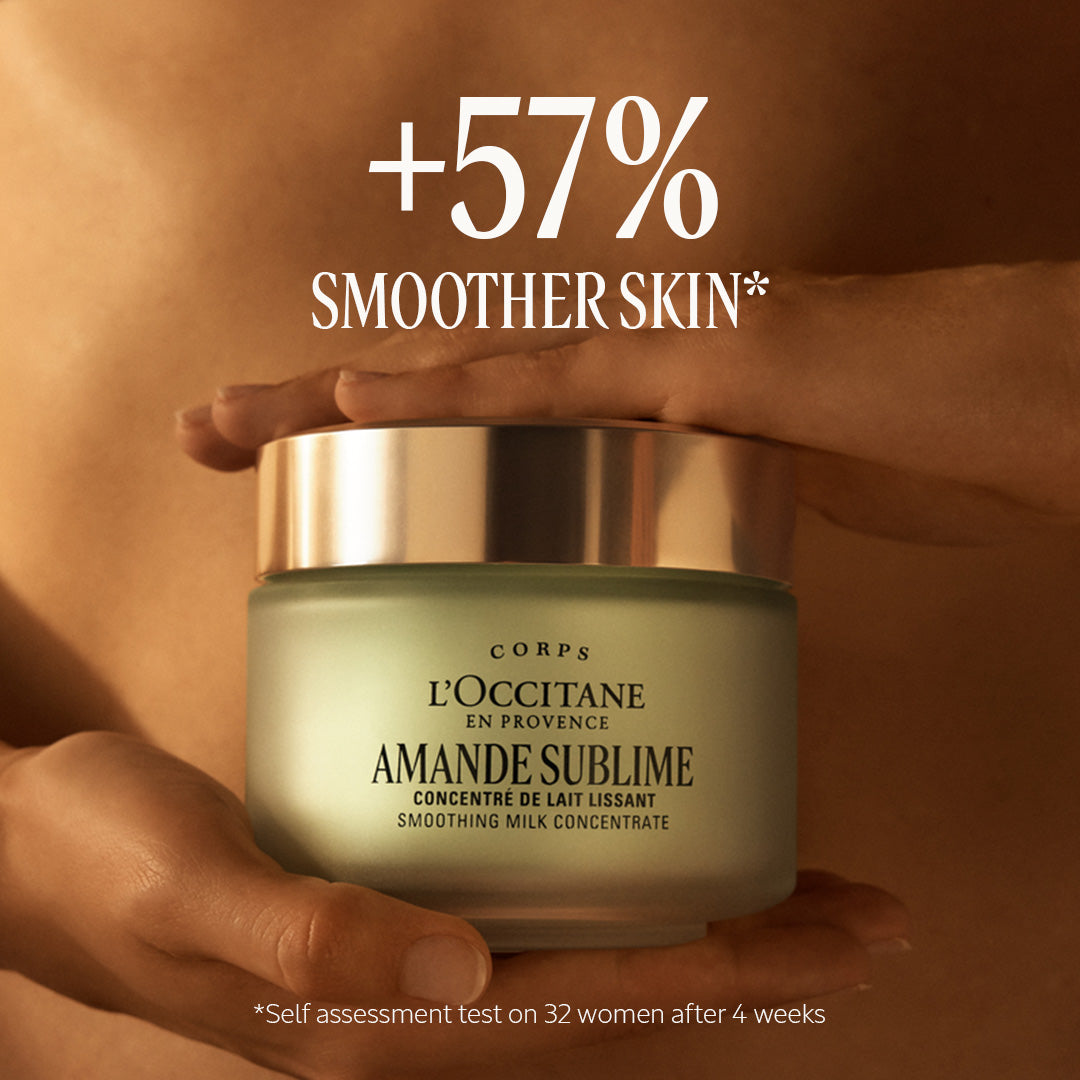
Smoothing Milk Concentrate is clinically tested to deliver up to 48 hours of hydration and firm the skin by up to +56% after 4 weeks of use on 32 women.
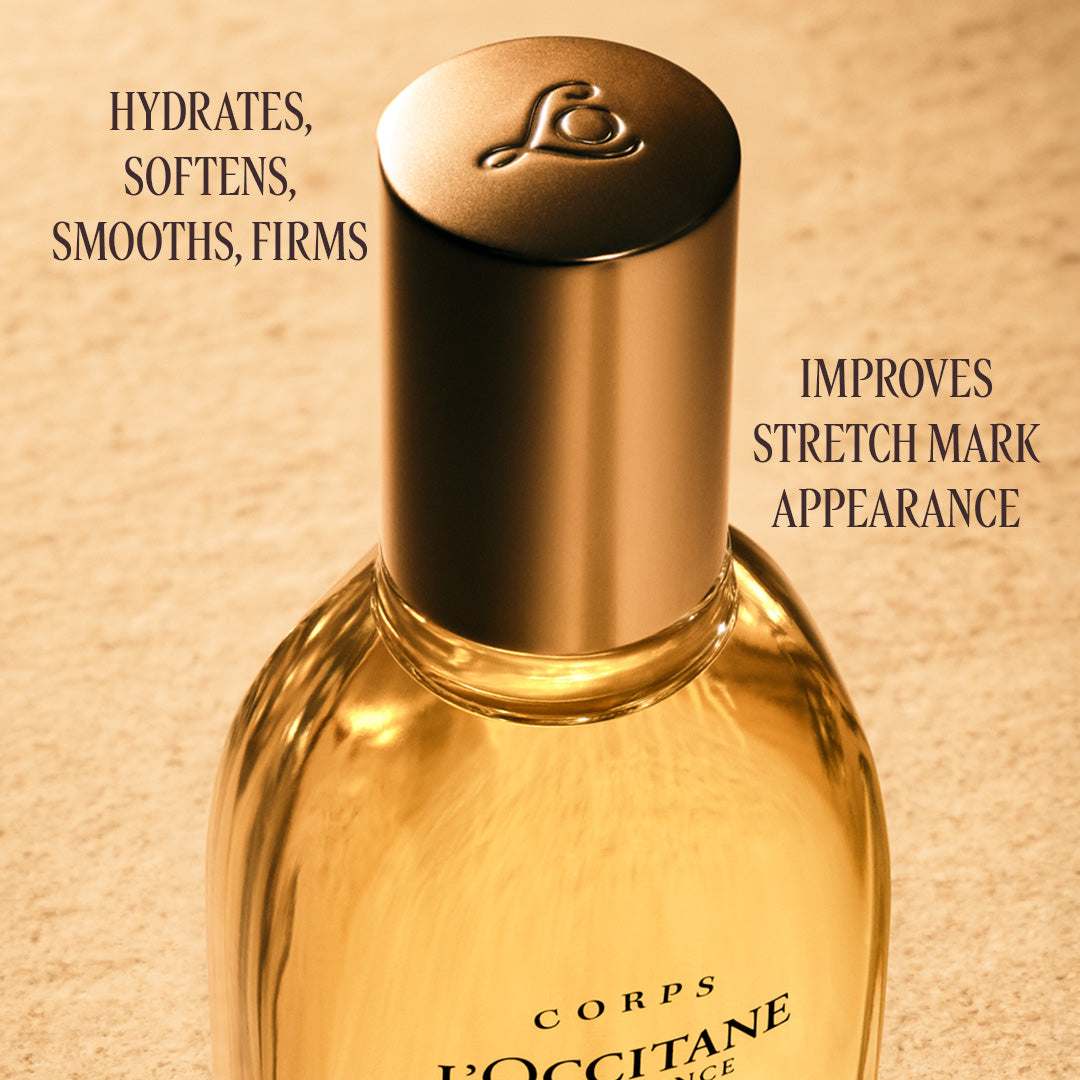
Combined with Supple Skin Oil, which is clinically tested to help improve skin suppleness by up to +61% and reduce the appearance of stretch marks by up to -44% within 7 days of use.
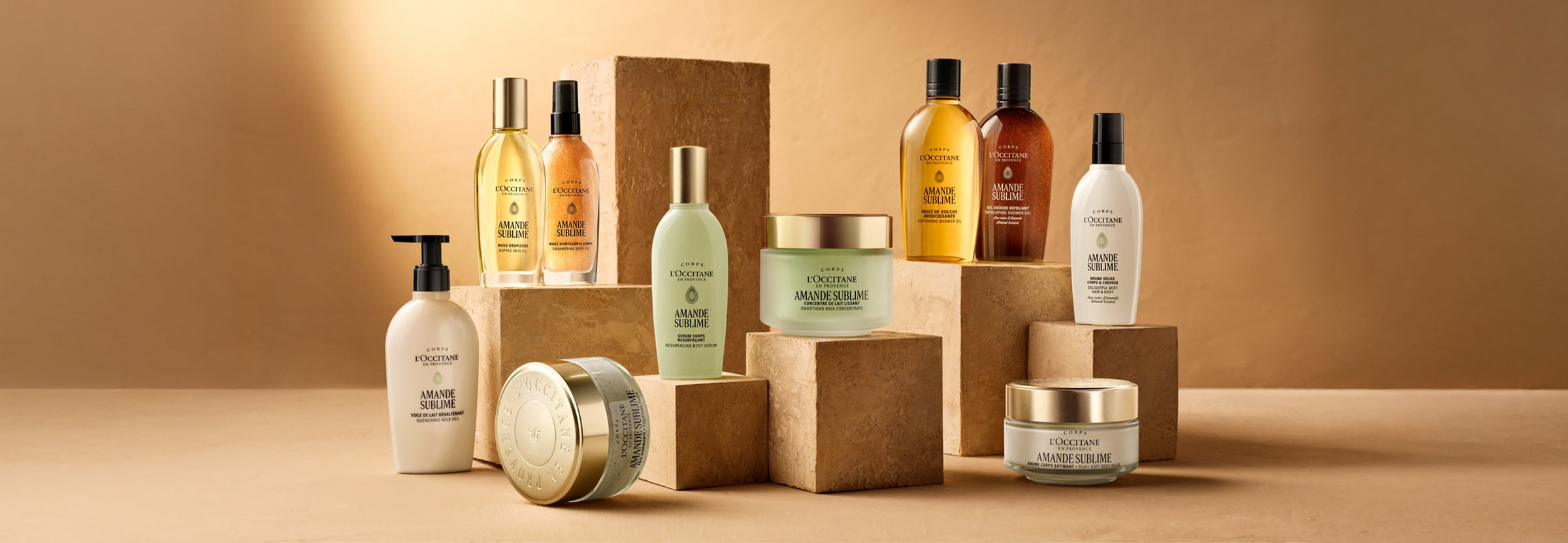
The two can be used alternately or together, depending on your skin's needs. Explore the full range within the L'Occitane Almond Collection to build the routine that works best for you.
Adapting the Routine to Your Skin's Needs and Schedule
Not everyone has the same amount of time or the same skin concerns. The ideal bathing routine is one that is simple enough to follow consistently, not one that is perfect but difficult to sustain.
-
For those who shower twice a day, apply the full routine, shower oil and post-shower moisturiser, to the evening shower, when the skin has been through the most stress throughout the day. For the morning shower, a shorter routine is perfectly adequate.
-
For very dry or sensitive skin, consider adding a light body exfoliation once a week before the shower oil step. Exfoliation helps remove dead skin cells so that the moisturiser applied afterward can absorb far more effectively.
A good bathing routine does not have to be complicated. By choosing the right products and giving a little more attention to the steps you are already doing every day, your body skin will feel it, not in one day, but gradually over time. Small changes in how you shower, and what you apply afterward, are the simplest investment you can make in the long-term health of your body skin.
If you would like to understand more about caring for dry body skin and building a more complete care routine, read our full guide in the article on how to care for dry body skin.
FAQs About a Bathing Routine for Healthy Skin
What is the correct order to shower in?
The recommended order for both cleanliness and skin health is: shampoo → conditioner → body wash or shower oil → brush teeth → cleanse face → rinse thoroughly. This sequence helps prevent hair product residue from staying on the body and ensures the face is cleansed last to remove any runoff from the shower.
How warm should the water be for showering?
Warm, not hot, water is best for skin health. Hot water dissolves the skin’s natural oils more quickly, which can cause tightness and dryness after showering. A comfortably warm temperature without any stinging heat is already optimal.
When is the best time to apply body lotion after showering?
Within the first 3–5 minutes after showering, while the skin is still slightly damp. During this time, the skin is more receptive to active ingredients, and applying moisturiser helps lock in hydration from bathing rather than layering it onto already dry skin.
Can shower oil be used every day?
Yes, shower oil is suitable for daily use. Its oil-based formulation is gentler than strongly surfactant-based body washes and helps cleanse the skin without stripping away its natural protective oils.
Does a bathing routine need to be different for morning and evening?
Not necessarily. A shorter routine is usually sufficient for morning showers. In the evening, a more complete routine — including shower oil and post-shower moisturiser — is recommended, as the skin has experienced more stress during the day and benefits most from care at this time.


