


How to Firm Body Skin After Giving Birth

It is common for the skin on the abdomen to feel looser after childbirth. During pregnancy, the skin stretches to accommodate the body’s changes, so it takes time for the skin to readjust after delivery.
This article covers why skin can feel loose after childbirth, what a reasonable recovery timeline looks like, and steps you can start applying, both during pregnancy and after delivery, while keeping medical consultation a priority at every stage.
Why Does Abdominal Skin Sag After Giving Birth?
During pregnancy, abdominal skin stretches significantly to accommodate the growing baby over nine months. After giving birth, skin needs time to become elastic again, which is why this area often feels looser for a while.
It is worth distinguishing between sagging skin and diastasis recti, a condition where the abdominal muscles that stretched during pregnancy have not fully come back together. Sagging skin relates to skin elasticity, while diastasis recti relates to the muscles beneath it. Both can occur at the same time, but they are addressed differently. If you notice a bulge in the middle of your abdomen when tightening your core, it is worth seeing a doctor to check for this.
What Is a Reasonable Recovery Timeline?
The uterus generally takes 6 to 8 weeks to return to its pre-pregnancy size after birth. However, full recovery of skin and abdominal muscle elasticity can take longer, typically between 6 months and 1 year, depending on genetics, weight gain during pregnancy, and consistency of care.
It is important to give the body enough time and not rush the process, especially in the first few months after giving birth.

Natural Ways to Care for Skin Elasticity After Giving Birth
Gradual Exercise
Light physical activity such as walking can help improve blood circulation and support overall recovery. However, when and how to start exercising after giving birth depends heavily on the type of delivery. For those who had a caesarean section, recovery time is generally longer and core exercises should be delayed further. Always consult your obstetrician before starting any exercise routine after giving birth, including core exercises such as planks, to make sure your body is genuinely ready.
Get the Right Nutrition
Eating foods high in protein and healthy fats, such as fish, avocado, and nuts, helps support tissue recovery and collagen production, which plays a role in skin elasticity.
Stay Hydrated
After giving birth, fluid needs tend to increase, especially for those breastfeeding. Drinking enough water, around 2 to 2.5 litres a day, helps keep skin hydrated from within.
Breastfeeding
Breastfeeding can increase energy needs and is associated with the release of the hormone oxytocin, which helps the uterus contract after childbirth. However, breastfeeding is not a direct method for tightening the skin and should not be the primary focus for regaining one’s pre-pregnancy body shape.
Using Skin Care Starting From Pregnancy
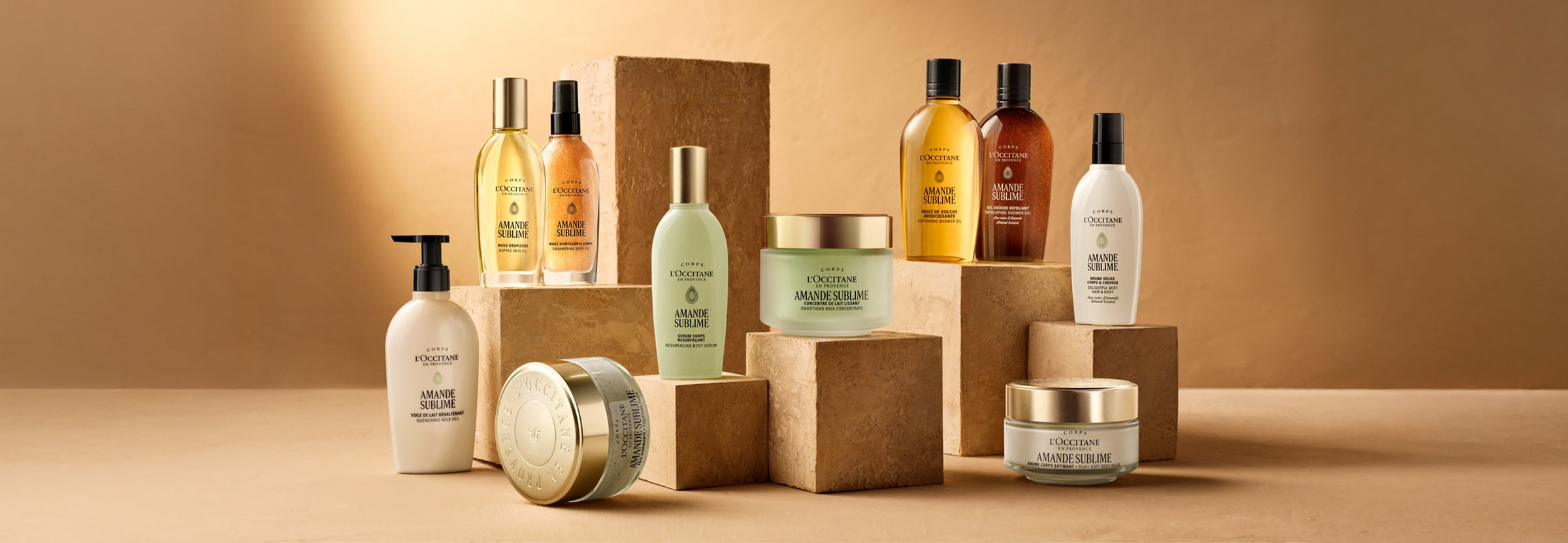
One step worth considering is starting to care for skin elasticity from the pregnancy stage itself, not only after giving birth. With approval from your obstetrician, regularly applying a product that supports skin elasticity throughout pregnancy may help maintain skin suppleness as the belly stretches, potentially supporting a better recovery process for skin afterward.
It is important to always consult your obstetrician first before adding any skin care product to your routine during pregnancy, including to confirm there is no specific skin condition that needs attention.
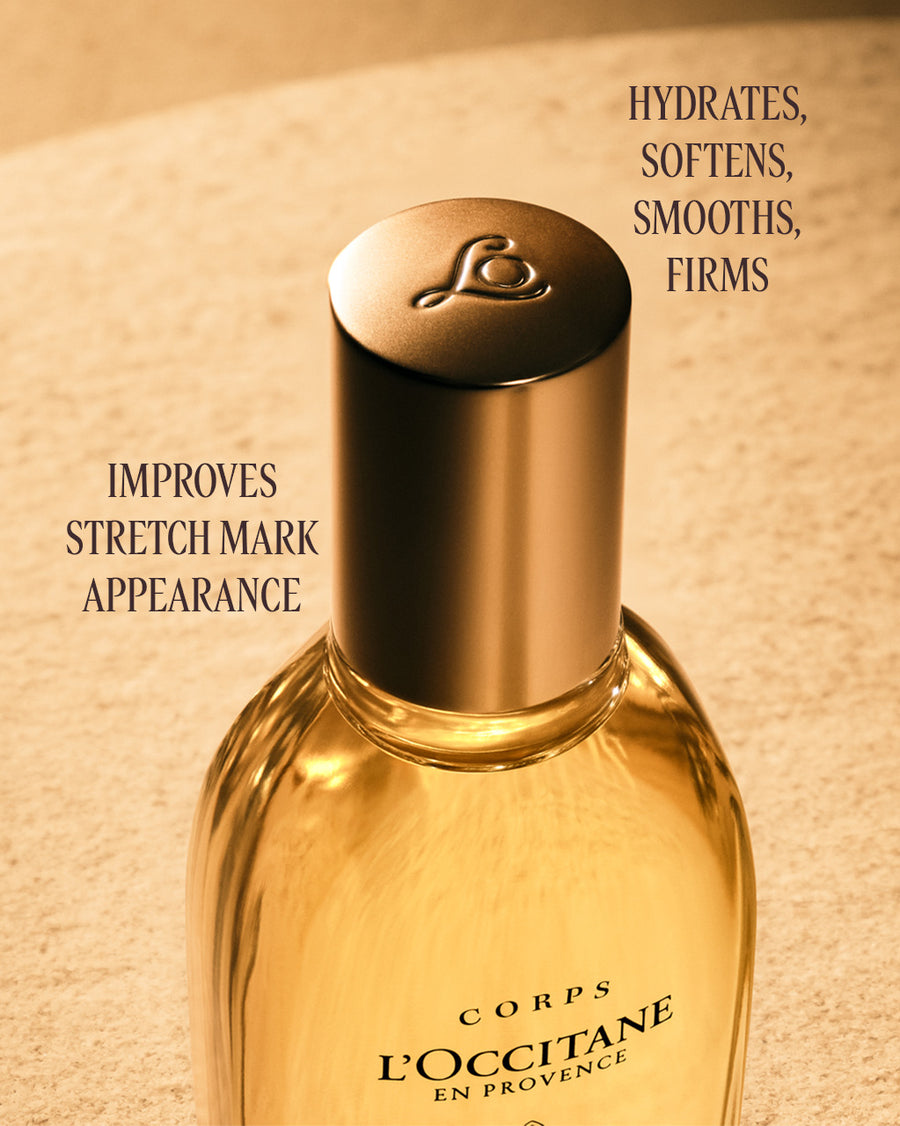
Amande Sublime Supple Skin Oil from L’Occitane is enriched with softening almond oil and a unique silicium complex, helping to enhance skin elasticity while visibly improving the appearance of stretch marks. This product is part of L’Occitane’s Almond Collection.
When Should You Consult a Doctor?
Always consult a doctor if you notice a bulge in the abdominal area that may indicate diastasis recti, pain that does not subside, or if loose skin is accompanied by other unusual symptoms. If skin laxity is noticeable or becomes a concern after the body has gone through the recovery period, a dermatologist can help evaluate the condition of your skin and discuss appropriate treatment options.
FAQs About Loose Skin After Giving Birth
1. Can loose skin after giving birth return to normal?
For many people, the skin may gradually improve after childbirth as the body recovers. However, the extent and duration of recovery vary from person to person, and the skin does not always return to exactly the same condition as it was before pregnancy.
2. When is it okay to start exercising after giving birth?
This depends heavily on the type of delivery and each individual's recovery condition. Always consult your obstetrician before starting any exercise routine, even light ones.
3. Is it safe to use skin care products during pregnancy?
With approval from your obstetrician, many skin care products that support elasticity are safe to use during pregnancy. Consulting first is still recommended to ensure suitability for your specific skin and pregnancy condition.
4. Can stretch marks disappear completely?
Stretch marks generally cannot be completely removed, but their appearance can be visibly improved with the right, consistent care, and they naturally fade somewhat over time on their own.
5. What is the difference between loose skin and diastasis recti?
Loose skin relates to skin elasticity, while diastasis recti is a condition where the abdominal muscles that stretched during pregnancy have not fully come back together. If there is a bulge in the middle of the abdomen when tightening the muscles, it is worth seeing a doctor for further evaluation.


