


How to Moisturise Dry Body Skin Effectively: A Practical Guide That Actually Works

Already using body lotion every day but your skin still feels dry and tight within a few hours? This is more common than you might think, and the cause is often not the product itself, but how and when it is applied. Moisturising dry body skin effectively requires understanding how the skin absorbs and retains moisture. This guide provides concrete steps, not simply “use more lotion”, but when, how, and with what type of product.
Why How You Moisturise Matters as Much as the Product You Use
There is one principle that is often overlooked: even the most expensive moisturiser will be far less effective if applied at the wrong time or in the wrong way. Conversely, a well-formulated product used correctly can make a genuinely noticeable difference.
After showering, the outermost layer of the skin is temporarily in a more permeable state, making the post-shower window the optimal time for moisture absorption. Once the skin is completely dry, this window closes and the effectiveness of moisturisers decreases significantly.
There are two types of moisturising agents to understand: emollients, which fill and soften the skin’s surface, and humectants, which draw water into the skin layers. Both serve different roles, understanding the difference helps you choose the product most suited to your skin’s needs. Explore L’Occitane’s Body Lotion & Oil collection for options that suit dry skin.
How to Moisturise Dry Body Skin Effectively
The Best Time to Apply Moisturiser After Showering
The most impactful change you can make today: apply your moisturiser as soon as possible after showering, ideally while your skin is still slightly damp.
The reason: within this window, the outermost layer of skin still contains more water and is in a more receptive state, allowing the moisturiser to absorb more effectively while locking in the residual moisture from the shower. Waiting until the skin is completely dry significantly reduces absorption.
One practical tip: prepare your moisturiser before stepping into the shower, open the lid, place it within reach, so application can happen immediately after patting dry.
The Right Way to Dry Your Body
Pat the skin gently with a clean, soft towel, do not rub. Rubbing vigorously removes the residual moisture that the moisturiser needs to lock into the skin, and can irritate skin that is already dry.
Leave the skin slightly damp after drying, not dripping, but not completely dry. This surface moisture is what will help the moisturiser work more effectively.
How to Apply Moisturiser for Maximum Results
Apply with gentle, even massaging motions to help distribute the product across the entire skin surface. Focus first on the driest areas: calves, elbows, knees, and heels.
For very dry or rough areas such as cracked heels or rough elbows: apply an additional layer and allow it to absorb before dressing. These areas require slightly longer contact time for optimal results.
For reapplication during the day: if you spend extended time in air-conditioned environments, apply a light moisturiser to your hands and forearms. Air conditioning continuously lowers humidity and hands are the most frequently affected part of the body.
Choosing the Right Moisturiser for Dry Body Skin
Understanding Moisturiser Types by Skin Need
For very dry body skin, choose products with a richer emollient base, body butter, milk concentrate, or oil-based formulations are more effective than standard water-based body lotions, which tend to evaporate quickly on dry skin.
For daily care on normal to dry skin, a lighter milk or body lotion format is sufficient, as long as it contains both emollients and humectants. Explore suitable options in L’Occitane’s Body Care for Dry Skin collection.
Ingredients to look for in a dry skin moisturiser: plant oils rich in fatty acids that support the skin barrier, natural proteins that improve skin texture and firmness over time, and emollient compounds that soften and smooth the skin surface.
Why Natural Ingredients Are Effective for Dry Skin
Plant oils rich in fatty acids are one of the most relevant ingredient categories for dry skin because their lipid structure closely resembles the natural components on the skin’s surface, helping to maintain softness and comfort.
One ingredient commonly used to help maintain moisture in dry skin is sweet almond oil. This plant oil is rich in fatty acids that help maintain the skin’s softness and comfort.
For further reading on the difference between cleansers that support skin moisture, you can explore our article on shower oil vs regular body wash.
A Dry Skin Body Care Routine That Supports Lasting Hydration
Once you understand the right application technique and moisturiser type, the next step is building a routine that supports consistent skin hydration from cleansing through to moisturising.
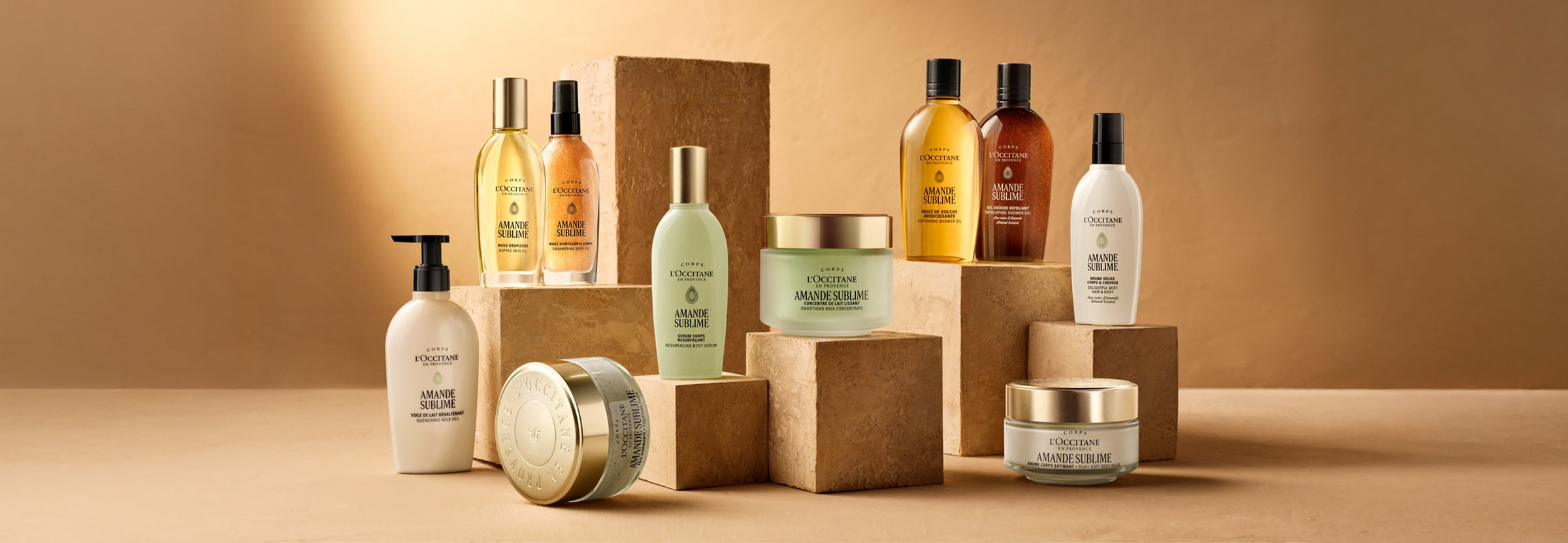
To support the routine discussed above, L’Occitane’s Amande Sublime range offers two products designed to work together. Explore the full range in the L’Occitane Almond Collection.
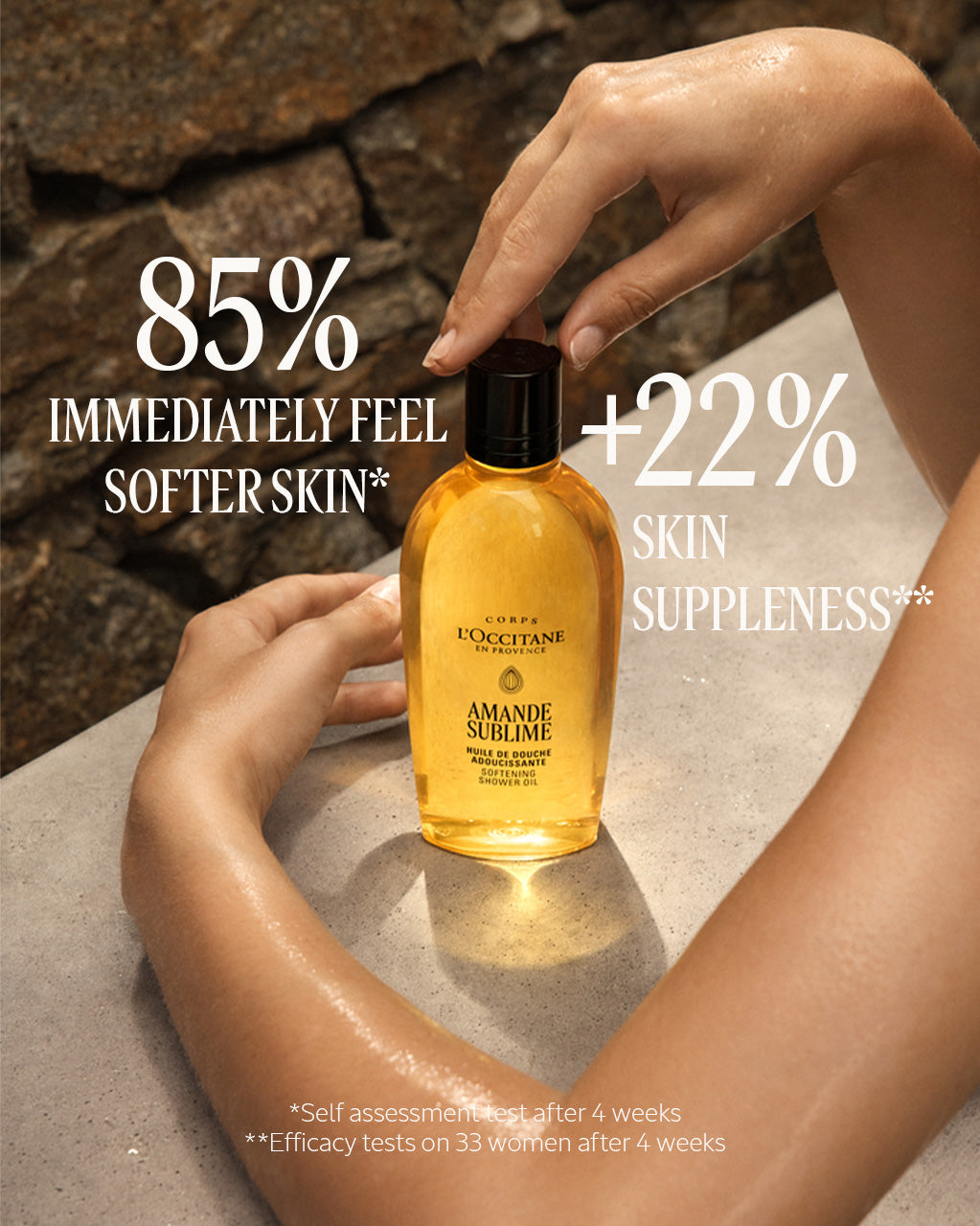
Almond Softening Shower Oil is formulated with 40% natural oil to cleanse without stripping the skin’s natural oils, with clinical study results showing skin feels 25% more hydrated and 22% more supple after 4 weeks of use on 33 women.
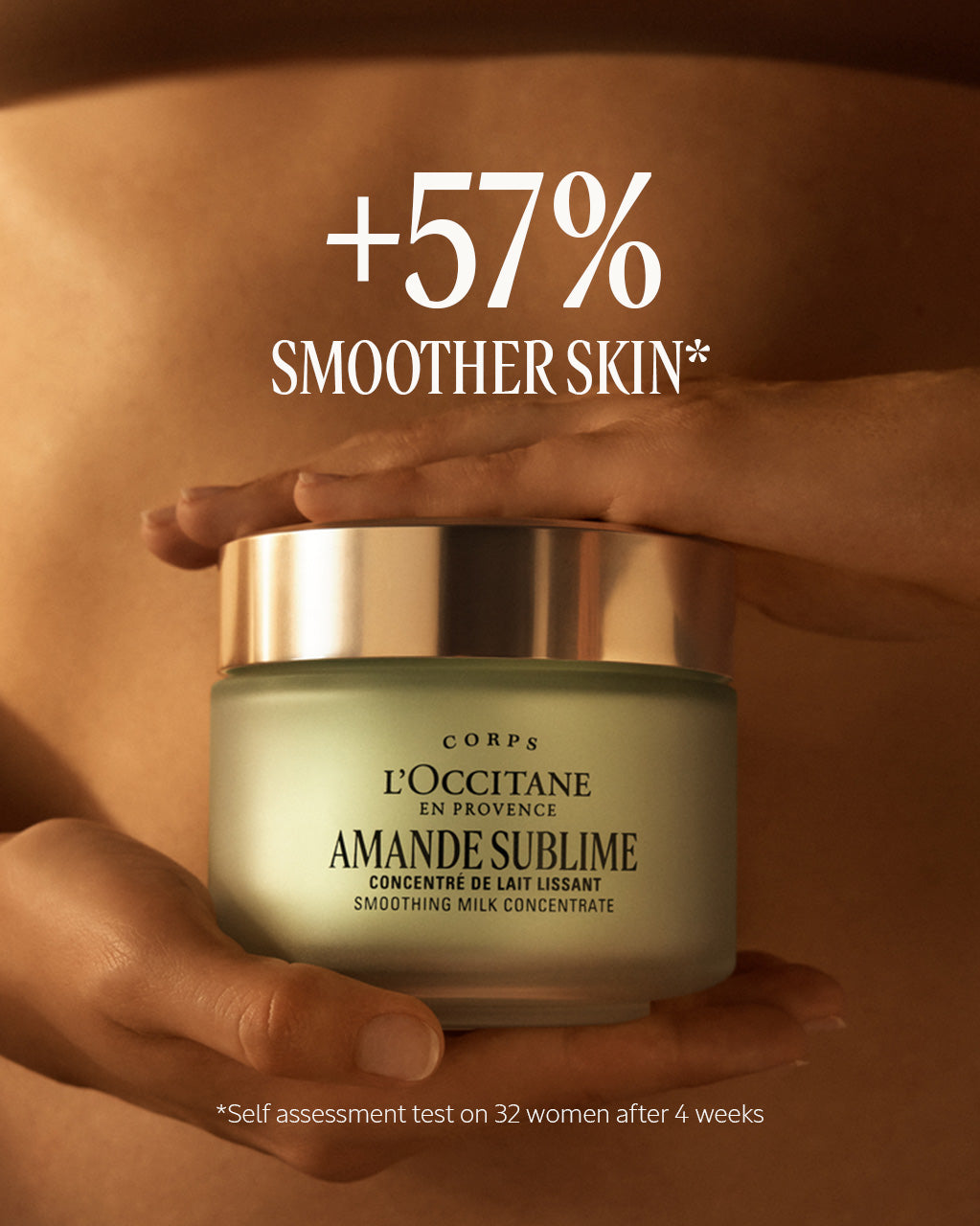
Followed by Almond Smoothing Milk Concentrate, applied immediately after drying, clinically tested to lock in hydration for up to 48 hours and support skin firmness by up to +56% after 4 weeks of use on 32 women.
Moisturising dry body skin effectively is not about using more products, it is about using the right product, at the right time, in the right way. Small adjustments in timing and application technique make a far greater difference for dry skin than simply increasing how often you apply.
Want to build a complete body care routine for dry skin? Find the full guide in our article on body care routine for dry skin. Or read more about causes of dry hands and feet to understand what’s behind persistent dryness.
FAQs About How to Moisturise Dry Body Skin
1. What should I use to keep dry skin moisturised? For dry body skin, choose products with a rich emollient base, milk concentrate, body butter, or plant oil-based formulations are more effective than standard water-based body lotions. Equally important is timing: apply within the first 3–5 minutes after showering while skin is still slightly damp.
2. Can drinking more water fix dry skin? Staying hydrated is important for overall health, but dry skin is generally not resolved simply by increasing water intake. In many cases, maintaining the skin barrier and using the right moisturiser have a more direct impact on skin comfort and hydration.
3. Is there a natural way to moisturise dry body skin? Yes, in the sense of using body care products formulated with high-quality natural ingredients such as plant oils rich in fatty acids. Ingredients like sweet almond oil have a structure that closely resembles the skin’s own natural oils.
4. How many times a day should I apply body moisturiser for dry skin? At least once a day, always after showering within the 3–5 minute window. For very dry skin or those who spend extended time in air-conditioned environments, a light reapplication midday on the driest areas is enough.
5. Why does my body lotion feel like it absorbs immediately but my skin is still dry? This is usually a sign that the product is water-based with a low emollient concentration, it feels like it absorbs quickly because the water content evaporates. For dry skin, choose a richer formula such as a milk concentrate or body butter.


