


14 Types of Perfume: Concentration, Scent, & How to Choose

Choosing the right perfume is not just about finding a scent you like, but also understanding the types of perfumes, fragrance oil concentrations, and their aromatic characteristics. Each type of perfume has different levels of intensity, longevity, and scent experience. By understanding these differences, you can determine which perfume suits your needs and daily activities best.
This article will discuss various types of perfumes based on their concentration levels, fragrance categories, and how to choose the right perfume. Let’s dive right in!
What Makes Each Type of Perfume Different?
The main difference between perfume types lies in the concentration of essential oils within them. The higher the concentration, the stronger and longer-lasting the scent will be. In addition, the composition of alcohol, water, and aromatic ingredients also affects the final result.
Some factors that differentiate perfume types include:
-
Scent strength (intensity)
-
Scent longevity
-
Suitability for different occasions
-
Price (generally increases with oil concentration)
With this basic understanding, let’s discuss each commonly available perfume type one by one.
Types of Perfume Based on Concentration
1. Extrait de Parfum (Pure Perfume)
Extrait de Parfum, often called pure perfume, is the fragrance form with the highest concentration of perfume oils. Because the concentration is very high, the scent is extremely intense, develops slowly on the skin, and typically only requires 1–2 sprays to last throughout the day or night.
-
Fragrance oil concentration: ±20–40% (can be higher in some formulas)
-
Longevity: ±10–24 hours (depending on skin & composition)
-
Characteristics: Very rich, intense, multilayered; develops gradually from top → heart → base notes
-
Best for: Special occasions, formal events, users who enjoy bold scents
2. Parfum
A high concentration level of essential oils. Its scent is thick, luxurious, and long-lasting, even throughout the day.
-
Fragrance oil concentration: 20–40%
-
Longevity: ±10–24 hours
-
Characteristics: Rich, intense, develops slowly
-
Best for: Special events, elegant wear, users who love bold aromas
3. Eau de Parfum (EDP)
Has a richer and longer-lasting scent due to its high essential oil concentration. Better suited for activities that require long-lasting fragrance.
-
Fragrance oil concentration: 15–20%
-
Longevity: ±6–10 hours
-
Characteristics: More intense, deeper, focused on heart & base notes
-
Best for: Formal events, nighttime use, air-conditioned environments
EDP is ideal for those who frequently engage in face-to-face activities because the scent does not easily transfer to others. If you want to understand more about the difference between EDP and EDT, you can read the complete guide in the article about the difference between EDT and EDP.
4. Eau de Toilette (EDT)
A popular perfume type because its scent is light yet still long-lasting. Usually used for daily wear and is more flexible.
-
Fragrance oil concentration: 5–15%
-
Longevity: ±3–6 hours
-
Characteristics: Fresh, bright, usually focused on top & heart notes
-
Best for: Office, hangouts, daytime activities
5. Eau de Cologne (EDC)
Perfume with the lowest concentration and lightest scent. Suitable for casual use or when you want a fragrance that is not too strong.
-
Fragrance oil concentration: 2–4%
-
Longevity: ±1–2 hours
-
Characteristics: Light, fresh, not overpowering
-
Best for: Hot weather, daily activities, users who prefer soft scents
6. Eau Fraîche
Eau fraîche is the lightest option among commercial perfume varieties. This formula has very little perfume oil and more water, giving a quick refreshing effect without leaving a strong scent.
-
Fragrance oil concentration: ±1–3%
-
Longevity: ±1–2 hours
-
Characteristics: Very light, refreshing, subtle
-
Best for: Quick refresh, hot weather, those sensitive to strong alcohol
7. Eau de Senteur
Eau de Senteur is a type of perfume specially designed for babies or toddlers — an alcohol-free formula that is gentle and safe for application on clothing materials. It is generally not recommended to apply directly on a baby’s skin.
-
Fragrance oil concentration: Varies, but usually very low and alcohol-free
-
Longevity: Short; depends on the solvents used
-
Characteristics: Gentle, non-irritating (when formulated correctly), made for children
-
Best for: Baby clothes, children’s linens, kid-friendly products
8. Splash & Aftershave
Splash and aftershave are generally formulated for men after shaving or bathing. With low perfume oil content, they are suitable for refreshing the skin while providing a cooling/soothing sensation.
-
Fragrance oil concentration: Very low (similar to eau fraîche or slightly higher)
-
Longevity: ±1–3 hours
-
Characteristics: Light, functional, often contains alcohol for antiseptic effect and pore tightening
-
Best for: Post-shave care, daily use for men who want a light scent
Types of Perfumes Based on Scent Families
In addition to being classified by concentration, perfumes are also differentiated by their fragrance families. Each category offers different characters and nuances.
1. Floral Scents
Feminine, soft, and romantic floral scents. Usually consist of popular flowers such as rose, peony, lily, or jasmine.
-
Characteristics: Sweet, soft, feminine
-
Example notes: Rose, peony, jasmine, lily
-
Best for: Romantic occasions, daily use, those who love sweet–elegant scents
2. Fresh / Citrus
Fresh and energetic aromas often inspired by fresh fruits or herbs.
-
Characteristics: Fresh, bright, uplifting
-
Example notes: Lemon, bergamot, grapefruit, lemongrass
-
Best for: Hot weather, outdoor activities, “clean” scents
3. Fruity
Sweet, juicy, and playful fruit scents. Usually give off a youthful and cheerful impression.
-
Characteristics: Sweet, juicy, fun
-
Example notes: Pear, apple, peach, blackcurrant
-
Best for: Daily use, casual events, those who enjoy light sweet scents
4. Woody Aromas
Warm, earthy, masculine, and sensual scents commonly found in unisex or men’s fragrances.
-
Characteristics: Warm, masculine, deep
-
Example notes: Cedarwood, sandalwood, amberwood
-
Best for: Nighttime, formal events, mature and elegant impressions
Read also: Men's Perfume Scents: Types, Characteristics & How to Choose the Right One
5. Oriental Aromas
Rich, warm, sensual, and slightly spicy scents. Usually feel luxurious and intense.
-
Characteristics: Warm, exotic, sensual
-
Example notes: Vanilla, amber, cinnamon, resin
-
Best for: Evening events, special occasions, elegant settings
6. Aquatic Aromas
Aquatic scents mimic the freshness of water, sea, or ocean breeze. These perfumes often feel clean and modern, suitable for users who want a light yet contemporary and energetic scent.
-
Characteristics: Clean, fresh, airy; not too sweet or heavy
-
Example notes: Melon, ozonic accords, sea salt, aquatic aldehydes, cucumber
-
Best for: Daytime, hot weather, outdoor activities, users who enjoy “clean” scents
7. Herbal
Aromas inspired by herbs and leaves, giving a fresh yet more masculine impression.
-
Characteristics: Fresh, herbal, clean
-
Example notes: Lavender, sage, rosemary
-
Best for: Men’s fragrances, casual activities, hot weather
Read Also: Women’s Perfume Recommendations
How to Choose the Right Perfume
1. Identify Your Favorite Fragrance Category
Start by recognizing the type of scent you enjoy the most, such as soft floral, sweet fruity, warm woody, or fresh citrus. Knowing your fragrance preference will help you narrow down perfume choices more easily. To better understand how a scent develops on the skin, you can also learn about the differences between top, middle, and base notes, so you know how the perfume changes from the initial spray to several hours after application.
2. Match the Scent with the Occasion or Activity
Each perfume has a character that suits different situations. Below is a guide to using perfume based on its aroma:
-
Strong scents: formal events, evening wear
-
Fresh scents: daytime, outdoor activities
-
Light scents: casual daily use
3. Test the Perfume Before Buying
Always test perfume directly on your skin, as everyone’s body chemistry reacts differently. Spray a small amount, then wait a few minutes to see how the scent evolves over time, from the top notes to the base notes that appear after 1–2 hours. This way, you can determine whether the perfume truly suits your skin character and personal style.
4. Consider Fragrance Longevity
If you need a perfume that lasts all day, choose an EDP or even a perfume with a higher concentration. For relaxed activities or casual wear, EDT or EDC is usually sufficient because the scent is lighter and more comfortable. Understanding perfume concentration levels helps you select the right longevity based on your needs.
5. Pay Attention to Allergy or Sensitivity Risks
For those with sensitive skin, some high-concentration perfumes may cause irritation. Therefore, it is recommended to perform a patch test on a small area before deciding to purchase. If your skin reacts easily, choose perfumes with gentler formulas or less intense concentrations to ensure safe use.
How to Apply Perfume So It Lasts Longer
1. Apply After Showering While the Skin Is Still Moist
Applying perfume after a shower while the skin is still moist helps the scent adhere better, as the skin is clean and ready to absorb fragrance, especially if you have applied an unscented lotion beforehand.
2. Spray on Pulse Points: Neck, Wrists, Behind the Ears
Spray perfume on pulse points such as the neck, wrists, behind the ears, or the inner elbows, as these areas generate body heat that can help enhance the fragrance.
3. Avoid Rubbing the Perfume After Spraying
Avoid rubbing the perfume after spraying, as this can damage the fragrance composition and cause it to fade more quickly.
4. Use Layering Techniques with Matching-Scent Products
If you want the fragrance to last longer, use layering techniques by combining shower gel, body lotion, or hair mist with similar scents so the resulting aroma is more consistent and long-lasting.
Recommended L’Occitane Perfume Collections for You
Below are several L’Occitane perfume options you can try based on different fragrance preferences:
1. Premiers Rayons Eau de Toilette
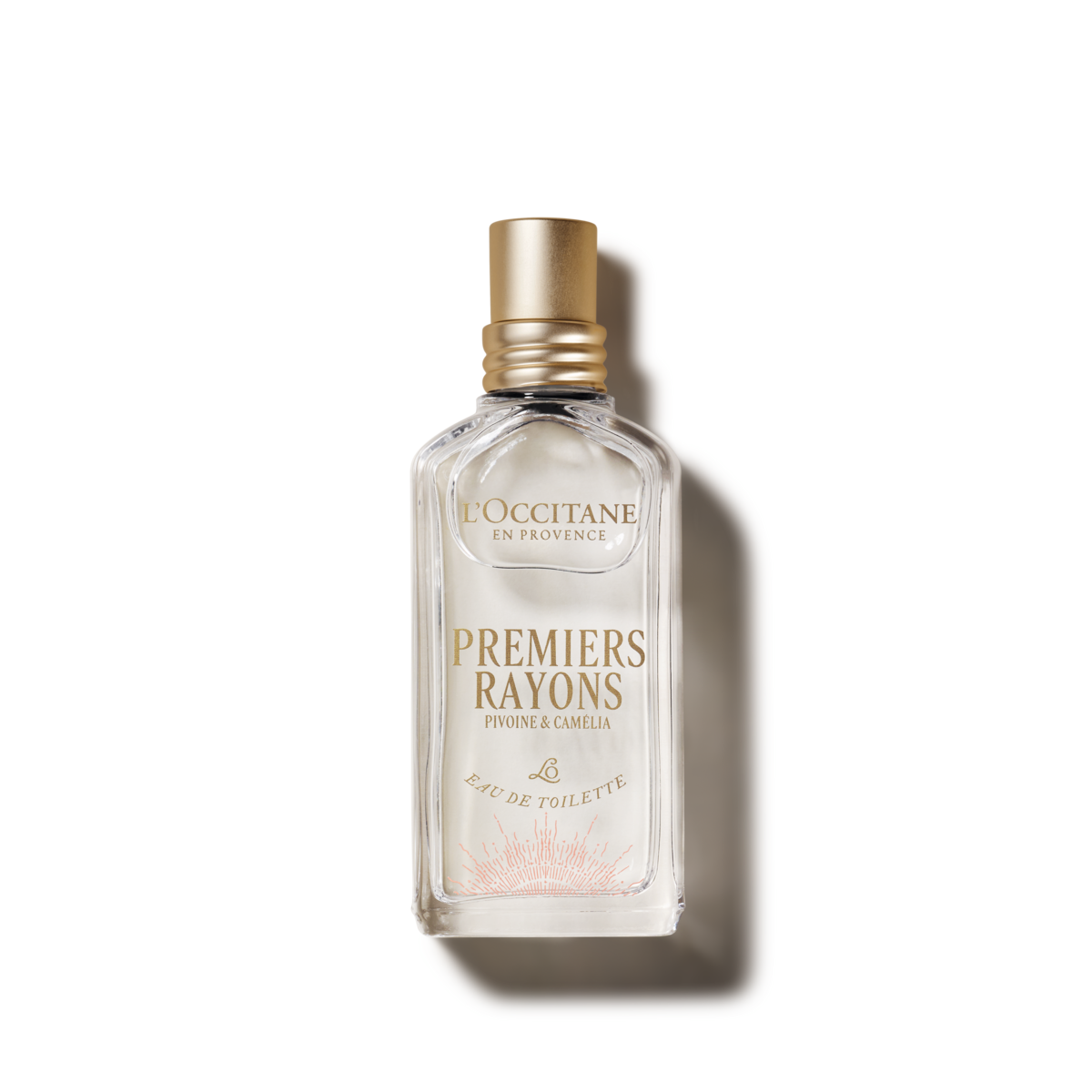
-
Top Note: Pear
-
Heart Note: Peony
-
Base Note: Cedarwood
Premiers Rayons Eau de Toilette is an ideal choice for those who love soft and feminine scents. The floral-fruity blend of peony, camellia, and pear creates a fresh, warm, and elegant impression, reminiscent of the first morning light in Provence.
The fragrance is light yet leaves a calming impression, making it suitable for daily use or when you want to feel fresher. You can find this product on the L’Occitane perfume collection page to further explore its aromatic character. This product is available on the L’Occitane perfume collection page.
2. Nuit Festive Eau de Toilette
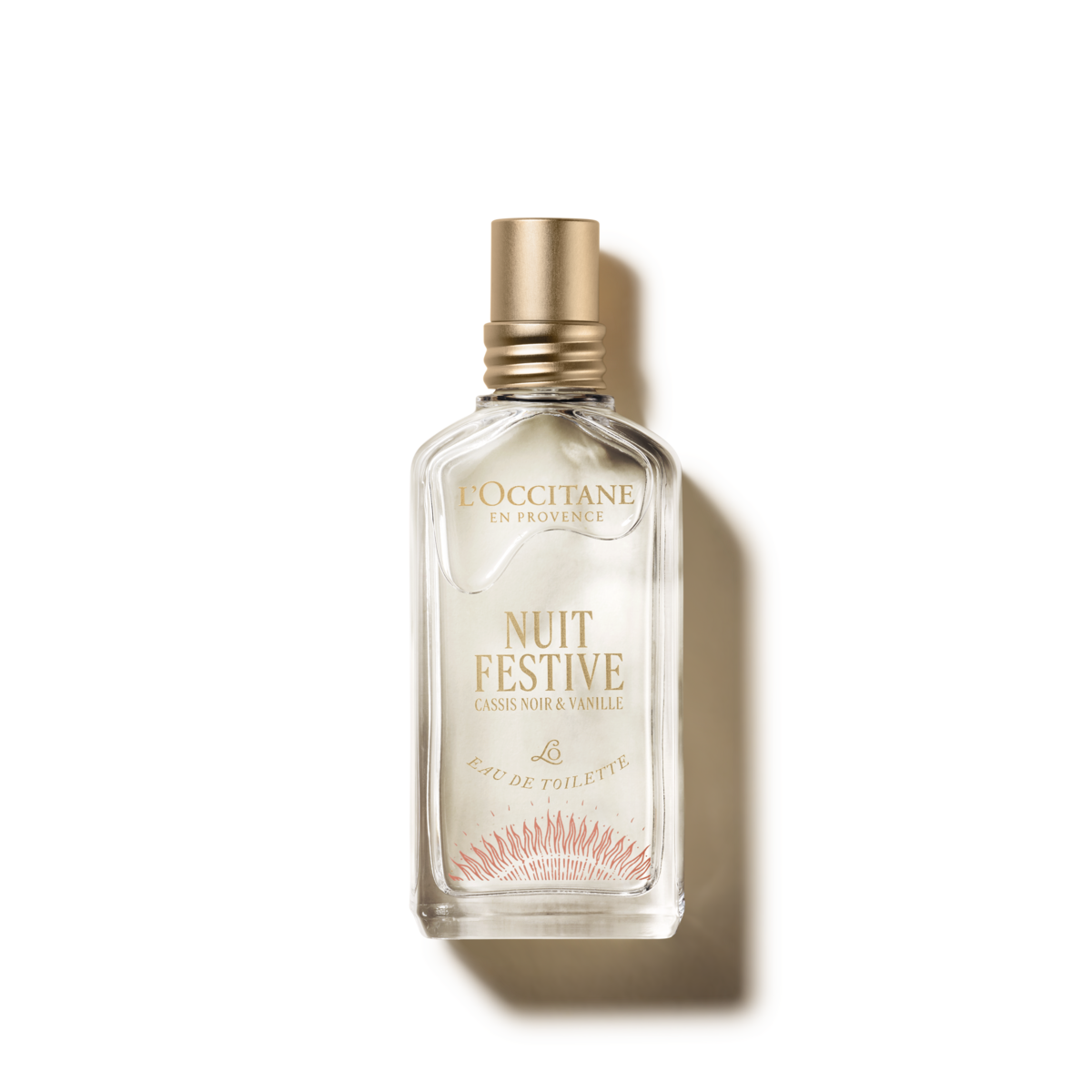
-
Top Note: Blackcurrant
-
Heart Note: Almond Milk
-
Base Note: Vanilla
If you are looking for a perfume with a sweet and warm nuance, Nuit Festive Eau de Toilette is the perfect choice. The combination of blackcurrant, almond milk, and vanilla creates an indulgent and captivating scent, giving a glamorous impression ideal for evening wear or special occasions. Its fruity-gourmand character feels comforting while still standing out without being overwhelming.
3. Cédrat Eau de Toilette (Men)
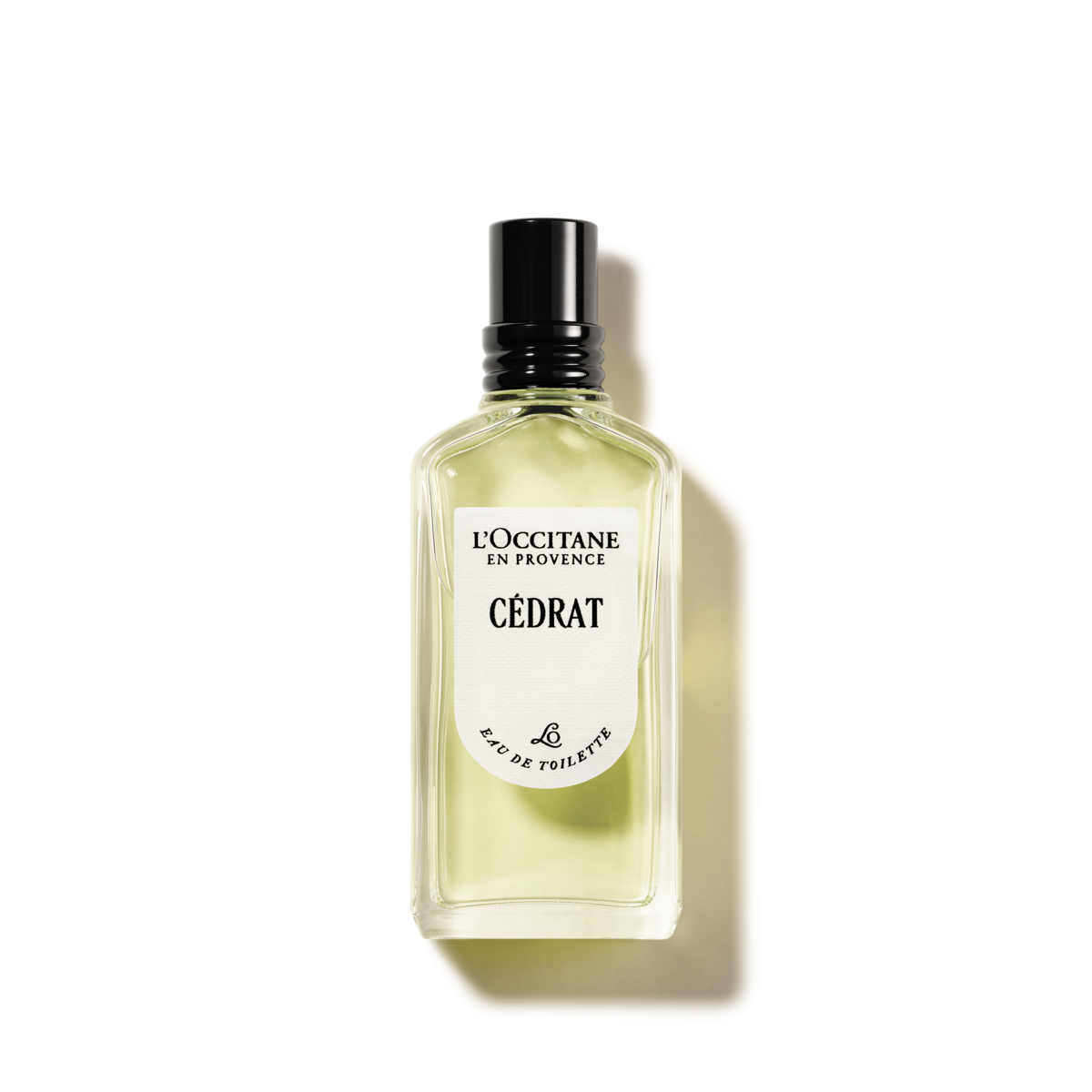
-
Top Note: Citron
-
Heart Note: Lemongrass
-
Base Note: Amber Wood
For those who enjoy masculine and refreshing perfumes, Cédrat Eau de Toilette offers a citrus composition blended with warm woody touches. The combination of citrus, lemongrass, and amber wood creates an energetic yet mature character. This perfume is suitable as a daily fragrance because its scent is light, clean, and widely appealing. It can be an attractive alternative in the L’Occitane men’s perfume collection and fits well as an option within the L’Occitane men’s fragrance range.
Conclusion
Understanding the different types of perfumes and how to choose them can help you find a fragrance that truly matches your character and needs. Whether based on concentration level or fragrance category, each type has its own uniqueness that offers a distinct sensory experience.
By selecting the right perfume and knowing how to apply it properly, you can enjoy a longer-lasting scent that leaves a memorable impression on every occasion.
FAQs: Frequently Asked Questions About Perfume
1. What is the difference between EDT and EDP in perfume?
The main difference lies in the concentration of fragrance oils. Eau de Parfum (EDP) has a higher concentration, around 15–20%, making the scent stronger and longer-lasting, generally 6–8 hours or more. Meanwhile, Eau de Toilette (EDT) has a lower concentration, around 5–15%, making it lighter and more suitable for daily use or activities that do not require an intense fragrance.
2. What are the three main perfume levels?
The three commonly recognized perfume levels are Parfum with a fragrance oil concentration of around 20–40%, Eau de Parfum (EDP) with a concentration of 15–20%, and Eau de Toilette (EDT) with a concentration of 5–15%. These concentration differences affect scent intensity, longevity, and price.
3. Which type of perfume lasts the longest?
The longest-lasting type of perfume is Extrait de Parfum because it has the highest fragrance oil concentration. Its texture is rich, and the scent can last all day or even longer. As an alternative, EDP is also known for good longevity, typically lasting 6–8 hours or more, making it a popular choice for both daily use and formal occasions.


