


Why Scalp Care Matters for Healthy Hair

Many people have a fairly complete hair care routine, from shampoo and conditioner to hair masks. Yet one part is often overlooked: the scalp itself, even though it is the true foundation of healthy hair.
The scalp is where hair follicles grow and also protects the inner layer of the head. Every nutrient from hair care products is absorbed by the scalp first before being delivered to the hair. If its condition is not properly maintained, the hair that grows from it is affected too, from hair loss and dandruff to hair that becomes limp or dry more easily.
Signs of a Healthy Scalp
Before discussing how to care for it, it helps to recognise the signs of a healthy scalp:
-
The scalp’s colour matches your overall skin tone, without redness.
-
No excessive flaking or peeling.
-
A balanced texture, not too dry and not too oily.
-
An even surface, free of bumps or wounds.
-
Hair that grows from it looks healthy and does not fall out excessively.
Main Reasons Why Scalp Care Matters
The Foundation of Strong Hair Growth
Every strand of hair grows from a follicle located in the scalp. A clean, healthy scalp is able to absorb nutrients from care products optimally, resulting in stronger, healthier hair. A compromised scalp, on the other hand, can disrupt the entire hair regeneration process.
Maintains Natural Hair Moisture
A healthy scalp produces natural oil (sebum) in a balanced amount. If the scalp is not properly cleaned, sebum mixes with dirt and makes hair limp and more prone to dandruff.
Prevents Dandruff, Itchiness, and Other Skin Issues
A neglected scalp is more prone to oil and dead skin buildup, which can trigger dandruff and itchiness. Left unaddressed, this can also increase the risk of other issues such as head lice, folliculitis or inflammation of the hair follicle, seborrheic dermatitis, and tinea capitis or scalp ringworm.
Stimulates New Hair Growth
A clean, healthy scalp allows the cell regeneration process to run smoothly, so hair that naturally falls out is replaced by healthy new hair without significant obstruction.

How to Care for Your Scalp to Keep It Healthy
Shampoo According to Your Scalp Type
Choose a shampoo suited to your scalp condition, whether dry, oily, sensitive, or dandruff-prone. Using the wrong product can actually worsen an existing imbalance.
Use Cool or Lukewarm Water
Avoid water that is too hot while shampooing, as it can strip away the scalp’s natural oils excessively and trigger irritation. Cooler water helps maintain the scalp’s natural moisture.
Massage with Fingertips in Two Directions
Use your fingertips, not your nails, to gently massage the scalp forward and backward while shampooing. This motion helps release dirt buildup while also improving blood flow to the hair follicles.
Exfoliate the Scalp Periodically
Just like facial and body skin, the scalp also needs exfoliation for optimal new cell regeneration. Natural ingredients such as lemon juice, coconut oil, or aloe vera can be used to help with this process. Avoid overly rough textures, as they risk injuring the scalp.
Understanding Hair and Scalp Treatments and Their Benefits
Beyond basic daily care, hair scalp treatment is becoming an increasingly popular additional step for maintaining scalp health. This treatment comes in several forms, including scalp masks or serums to nourish and maintain moisture, exfoliators to remove dead skin cells and excess oil, and massage techniques using natural oils such as olive, coconut, or rosemary oil to improve blood circulation.
The benefits are fairly broad: helping to thoroughly clean scalp pores, supporting healthier hair growth, reducing dandruff and itchiness, improving hair texture for a smoother, shinier finish, and maintaining natural oil balance. The gentle massage that accompanies many forms of scalp treatment also provides a relaxing effect that helps reduce stress, which is known to worsen hair loss if left unmanaged.
Because everyone’s scalp condition is different, the choice of treatment needs to be tailored to avoid irritation. For those with a history of chronic scalp conditions such as psoriasis or dermatitis, it is best to consult a dermatologist before trying a new product or treatment.
The Best Time for Additional Care
Night time is a good moment to give the scalp extra care, since there is no activity or exposure interfering with product absorption. Night Soothing Defense Advanced Scalp Treatment Serum from L’Occitane can be used as part of a nightly routine to support optimal scalp health.
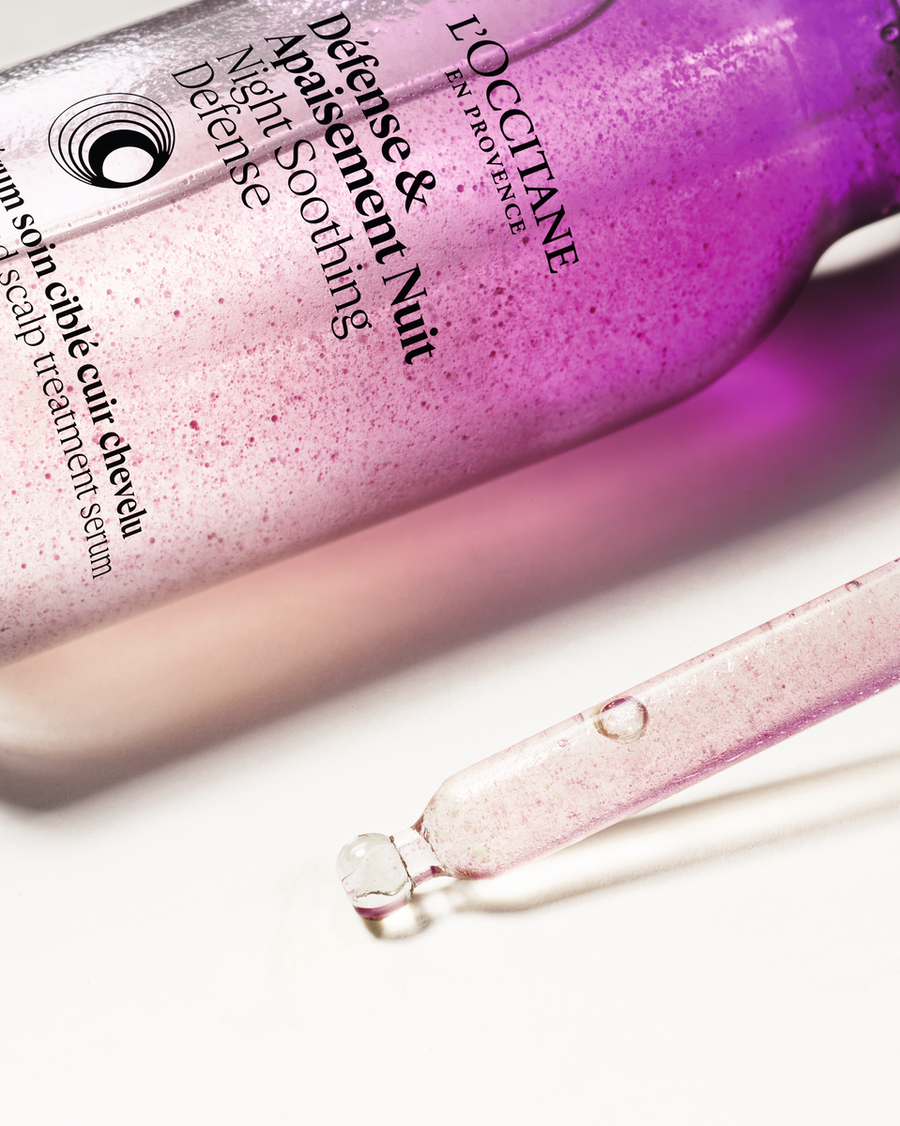
To learn more about treating hair loss that may be related to scalp condition, read our article on how to treat hair loss naturally. You can also explore L’Occitane’s Dry Hair & Scalp collection for products that support scalp health.
FAQs About Why Scalp Care Matters
1. What is the main purpose of scalp care?
The purpose is to keep the scalp and hair clean and healthy, while preventing issues such as dandruff, itchiness, and excessive hair loss.
2. Why does scalp health affect hair quality?
The scalp is where hair follicles grow. Nutrients from hair care products are absorbed through the scalp before being delivered to the hair, which is why scalp condition plays such a significant role in the quality of hair that grows.
3. What are the signs of an unhealthy scalp?
Some signs include redness, excessive flaking, texture that is too dry or too oily, the appearance of bumps or wounds, and hair that falls out easily.
4. How often should you do a hair scalp treatment?
Basic care such as shampooing and gentle massage can be done every time you wash your hair. For exfoliation or scalp masks, doing it a few times a month is enough to avoid overdoing it and causing irritation.


