


7 Ways to Make Perfume Last Longer: A Daily Practical Guide

Perfume is not just a complement to appearance, but also part of a person’s identity and personal impression. However, one of the most common problems many people experience is a fragrance that fades quickly, sometimes within just a few hours after application. This can certainly reduce confidence, especially when you have a busy schedule throughout the day.
Through this guide, you will learn comprehensively how to make perfume last longer on the skin, starting from pre-application preparation, proper application techniques, to choosing the right type of perfume. With the right steps, your favorite fragrance can last longer and remain comfortable throughout the day.
Why Does Perfume Fade Quickly?
Before discussing how to make perfume last longer, it is important to first understand the main reasons why fragrance often evaporates quickly. By understanding these factors, you can avoid common mistakes and apply more effective solutions when using perfume.
Some of the main factors that affect perfume longevity include:
1. Skin Condition
Dry skin tends to be unable to “bind” perfume well, causing the scent to fade more quickly. In contrast, moisturized skin helps perfume molecules adhere longer and allows the fragrance to remain more stable throughout the day.
2. Interaction with Sweat and Body Odor
Excessive sweat or body odor can mix with perfume and alter its original character. As a result, the fragrance may smell different from its original scent and fade faster.
3. Perfume Concentration
Perfumes with low fragrance oil content, such as Eau de Cologne, tend to evaporate more quickly compared to perfumes with higher concentrations such as Eau de Parfum or Extrait de Parfum.
If you want to understand perfume concentrations in more depth, you can also read the complete guide on various types of perfumes based on their concentrations in other L’Occitane articles.
4. Oxidation and Storage Method
Exposure to sunlight, excess air, or storage in hot places can trigger oxidation. This condition reduces fragrance quality and causes perfume to lose its longevity more quickly.
From this, it can be concluded that perfume longevity does not only depend on product quality, but also on skin condition, environment, as well as usage and storage methods.
How to Make Perfume Last Longer on the Skin
After understanding the causes, it is time to discuss practical steps you can apply daily to help your perfume last longer on the skin.
1. Apply Perfume After Showering
This initial step, often considered trivial, actually plays a significant role. The best time to apply perfume is after showering, when the skin is clean and slightly moist. After bathing, skin pores tend to be more open, allowing them to absorb fragrance more effectively. In addition, a body free from dirt and residual sweat ensures the perfume scent does not mix with other odors, making it purer and longer-lasting.
2. Apply Moisturizer Before Perfume
Using moisturizer before spraying perfume is one of the key ways to make the fragrance last longer. Moisturized skin can “lock in” perfume better than dry skin. It is recommended to choose a neutral or fragrance-free moisturizer so it does not interfere with the perfume’s character. For even better results, a moisturizer with a similar scent can help enhance the overall fragrance impression.
3. Make Sure the Body Is Free from Sweat Odor
Perfume is not a substitute for deodorant. If the body still emits sweat odor, the perfume scent can mix and produce an unpleasant smell. Therefore, make sure to apply deodorant first, especially in areas prone to sweating. With a clean and fresh body, perfume can perform optimally without fragrance distortion.
4. Spray Perfume on Pulse Points
Pulse points are areas of the body that generate higher heat, helping to naturally diffuse the fragrance. Ideal pulse points include the wrists, neck, behind the ears, inner elbows, and behind the knees. Heat from these areas helps the perfume “come alive” and last longer throughout the day.
To better understand how perfume develops on the skin, you can learn more about the role of top, middle, and base notes in fragrance.
5. Pay Attention to Spray Distance
Spraying technique greatly affects perfume longevity. The ideal distance when spraying perfume is around 15–25 cm from the skin surface. This distance allows the fragrance to spread evenly and prevents it from concentrating in one spot. Spraying too close can cause the perfume to evaporate quickly and feel too sharp at first.
6. Use the Right Number of Sprays
Using too little perfume can cause the scent to fade quickly, while overuse can feel overpowering and uncomfortable. In general, two to three sprays are sufficient to create a balanced and long-lasting fragrance. Focus on the right areas rather than increasing the number of sprays excessively.
7. Avoid Rubbing the Perfume After Spraying
The habit of rubbing the wrists after applying perfume should be avoided. Friction can damage the molecular structure of the fragrance and accelerate evaporation, especially in the top notes. It is best to let the perfume dry naturally on the skin so the scent can develop optimally.
Common Mistakes When Using Perfume
After knowing the correct way to use perfume, it is also important to avoid several common mistakes that are often made unconsciously, as they can cause the fragrance to fade more quickly.
The most common mistakes include:
1. Spraying Perfume Directly onto Clothing
Many people assume that perfume will last longer when sprayed onto clothes. In fact, fragrance does not develop well on fabric and may even risk leaving stains or mixing with sweat odors.
2. Using Perfume on Sweaty Skin
Perfume applied to wet or sweaty skin will have difficulty adhering properly, and its aroma can easily change. This condition causes the fragrance to fade faster and prevents it from delivering an optimal scent.
3. Using Too Much Perfume
The assumption that applying more perfume will make the scent last longer is incorrect. Overuse actually makes the fragrance too sharp at the beginning but causes it to evaporate more quickly over time.
By avoiding these mistakes, perfume performance can be significantly improved, and the fragrance can last longer.
Choose the Right Type of Perfume for Longer-Lasting Scent
In addition to application techniques, choosing the right type of perfume also greatly affects fragrance longevity. Each type of perfume has a different concentration of fragrance oils, which means their staying power also varies.
Some commonly used types of perfume include:
-
Eau de Cologne (EDC): Has the lowest fragrance oil concentration. The scent is light and fresh but tends to fade quickly, requiring reapplication.
-
Eau de Toilette (EDT): More long-lasting than EDC and suitable for daily use, especially during the day or for casual activities.
-
Eau de Parfum (EDP): Contains a higher concentration of fragrance oils, resulting in a more intense and longer-lasting scent. This type is ideal for those who want their fragrance to last throughout the day.
-
Extrait de Parfum (Pure Perfume): Has the highest concentration and the longest longevity. The scent is strong and usually requires only a very small amount.
If fragrance longevity is your main priority, choosing Eau de Parfum or Extrait de Parfum is the right step to achieve more optimal perfume performance.
Read Also: Differences Between Eau de Toilette (EDT) and Eau de Parfum (EDP)
Long-Lasting Perfume Recommendations from L’Occitane
Below are several L’Occitane perfume options with rich fragrance characters and good longevity, suitable to accompany your daily activities:
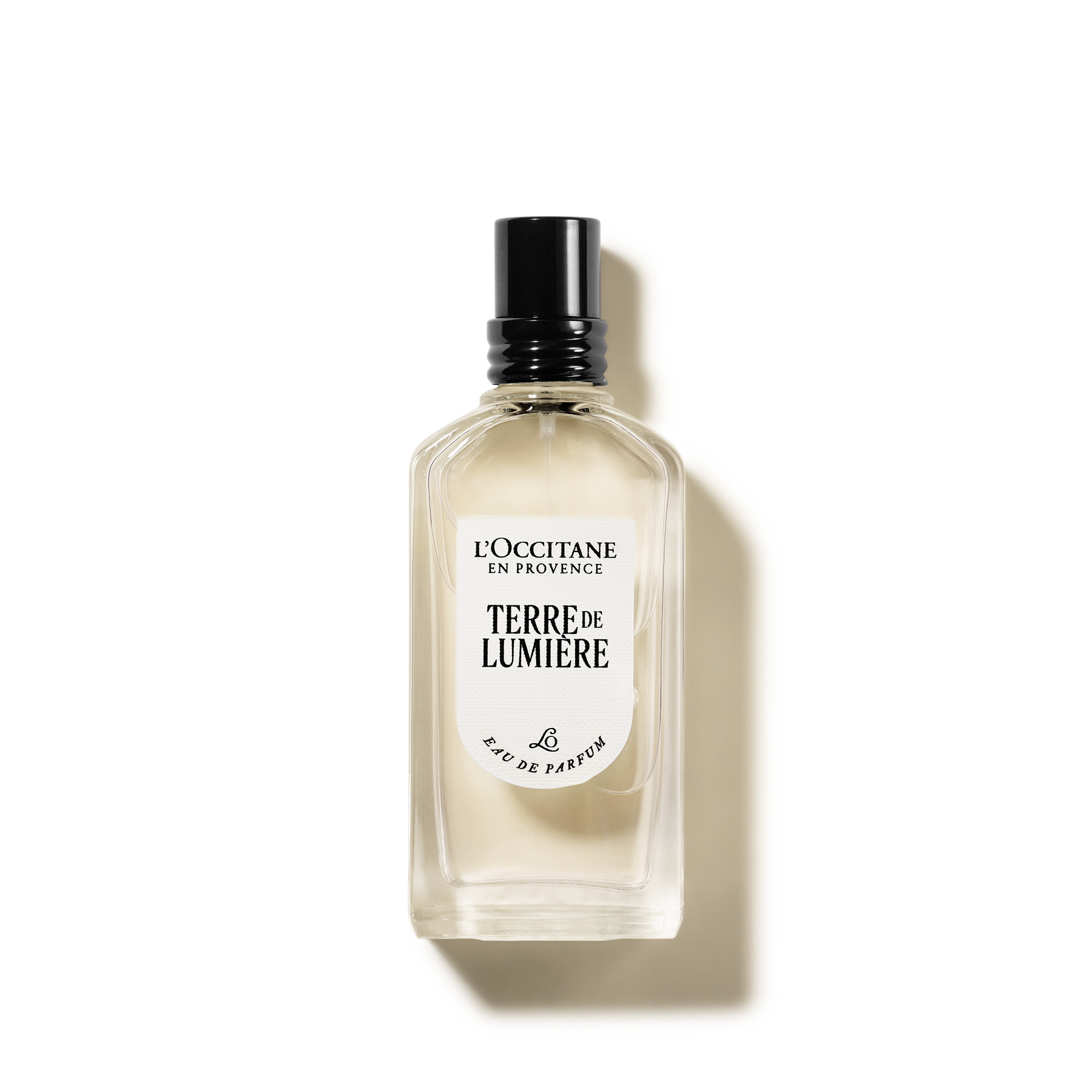
1. Terre de Lumière Eau de Parfum 50ml
-
Top Note: Pink Pepper
-
Heart Note: Lavender
-
Base Note: Tonka Beans
This perfume presents a warm and elegant gourmand blend, with sweet impressions of honey and almond noticeable from the beginning. The pink pepper in the top notes provides a fresh and energetic touch, then develops into a soft lavender nuance in the heart, before closing with a sensual and enveloping tonka bean base. Its character is warm and long-lasting, ideal for those who enjoy sweet, rich, and refined fragrances.
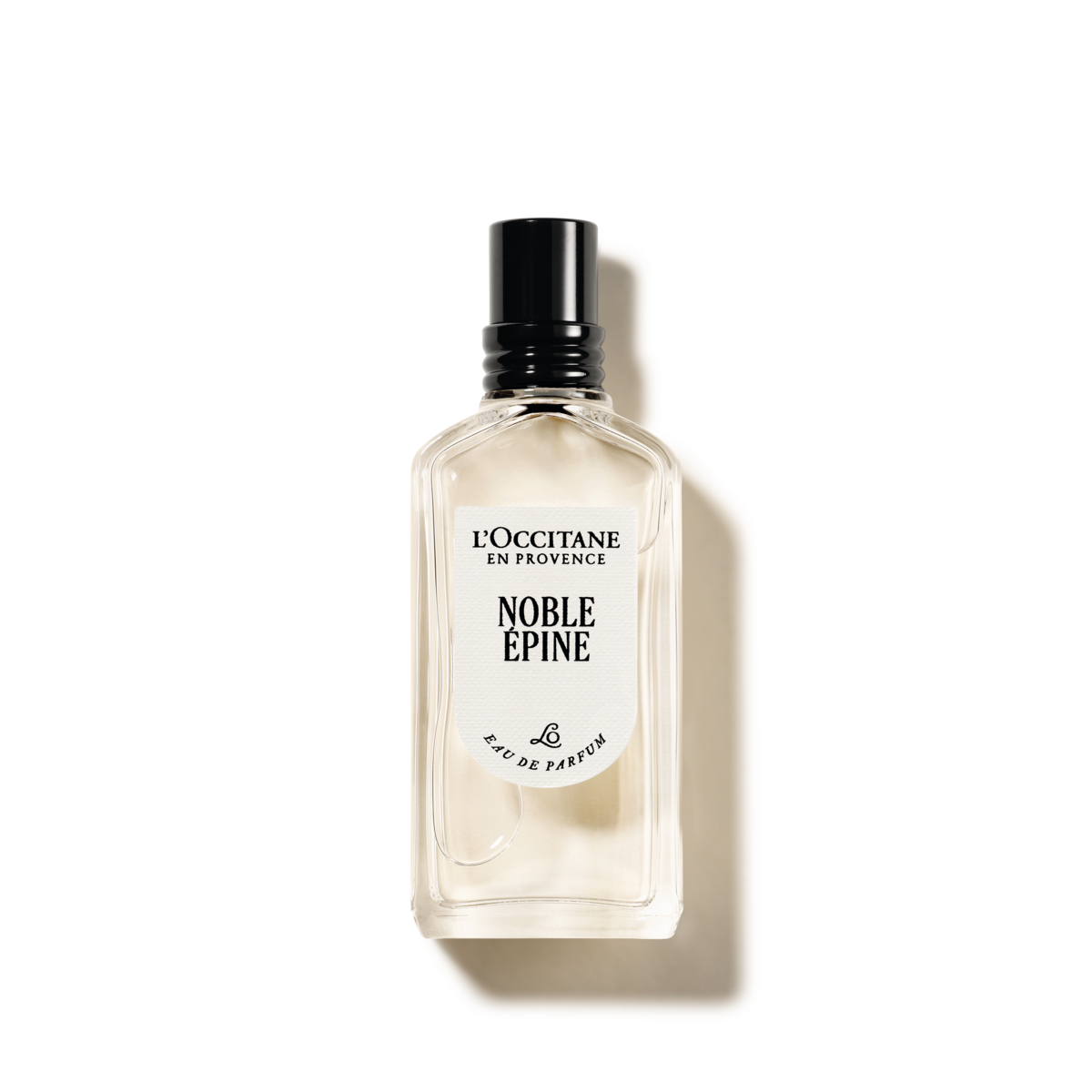
2. Noble Épine Eau de Parfum 50ml
-
Top Note: Almond
-
Heart Note: Rose Extract
-
Base Note: Musk
Noble Épine offers a soft yet captivating floral-fruity aroma. The almond opening delivers a smooth, creamy impression, blended with the feminine and elegant scent of rose extract in the heart notes. Musk in the base notes adds warmth and enhances longevity, making it suitable for use from daytime to evening with a graceful impression.
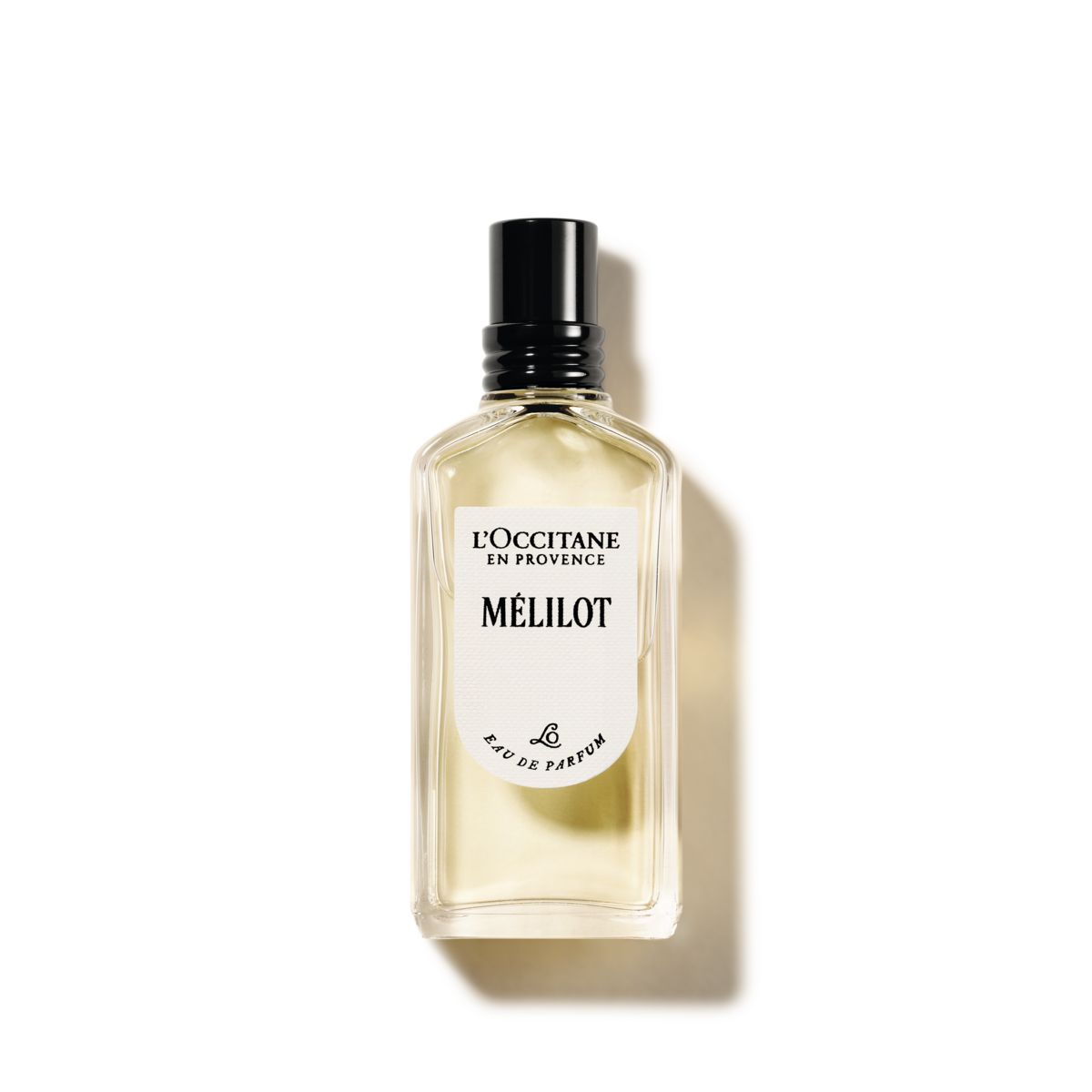
3. Mélilot Eau de Parfum 50ml
-
Top Note: Galbanum, Carrot Seeds, Frozen Pear
-
Heart Note: Hazel Leaves, Yarrow, Clover
-
Base Note: Wheat Absolute, Vetiver, Cedar
This perfume has a unique character with a complex blend of green, floral, and woody aromas. It opens with freshness from galbanum, carrot seeds, and frozen pear, then develops into a sweet-aromatic profile from clover and yarrow. In the dry-down, wheat absolute, vetiver, and cedar create a warm and earthy impression that lasts, perfect for those who enjoy distinctive and unconventional fragrances.
You can find various perfume options to suit your needs through the L’Occitane perfume collection, including dedicated choices for men in the L’Occitane men’s perfume collection.
Conclusion
To make perfume last longer, a combination of proper skin preparation, correct application techniques, and choosing the right type of perfume is required. Clean and moisturized skin, applying perfume to pulse points, and using the right number of sprays will help the fragrance last longer.
In addition, selecting a perfume with the appropriate concentration is also a key determining factor. With the right habits and suitable products, your favorite perfume can accompany your daily activities more optimally. You can also explore articles on luxury and elegant women’s perfume recommendations or learn more about the characteristics of men’s fragrances.
FAQs About Long-Lasting Perfume
1. What causes perfume not to last long?
Several main factors cause perfume to fade quickly, including dry skin conditions, interaction with sweat, and oxidation due to improper storage. Exposure to sunlight and excessive air can also reduce fragrance quality.
2. Can perfume be sprayed on clothes?
Generally, perfume is more effective when sprayed on the skin rather than on clothing. Spraying perfume on clothes carries the risk of staining and prevents the fragrance from developing properly. However, in certain situations, light spraying on clothing before wearing it can be done with caution.
3. Which body parts are best for applying perfume?
The best body parts for perfume application are pulse points, such as the neck, wrists, behind the ears, inner elbows, and behind the knees. These areas generat


