


12 Ways to Treat Hair Loss Naturally, Effective and Easy to Do at Home

A comb full of strands, hair falling on your pillow, or visible thinning on the scalp can worry anyone. Hair loss is an extremely common concern, but that does not mean it should go unaddressed.
Hair naturally follows a growth cycle made up of three phases. The anagen phase is the active growth period, lasting two to eight years. The catagen phase is a brief transition, around three weeks, when hair stops growing and prepares to shed. The telogen phase is when hair finally releases from the follicle, which then rests for about three months before new hair begins to grow.
Within this cycle, losing around 50 to 100 strands a day is completely normal. However, if you start noticing unusual clumps of hair in your comb, or your scalp becoming more visible, this could be a sign that hair loss has gone beyond the normal range and needs closer attention.
Common Causes of Hair Loss
Before discussing how to treat it, it helps to understand what actually triggers hair loss. Here are the most common causes:
1. Lack of Nutritional Intake
Strict dieting or an unbalanced eating pattern can make hair grow thinner and more brittle. Hair needs protein, vitamins, and minerals to grow healthily, and a deficiency in any of these can disrupt its growth cycle.
2. Hormonal Changes
Hormonal fluctuations from pregnancy, childbirth, menopause, or thyroid disorders can disrupt the hair growth cycle and cause more noticeable hair loss than usual.
3. Side Effects of Medication
Certain medications, such as antidepressants, high blood pressure medication, and chemotherapy drugs, can trigger hair loss as a side effect. This is usually temporary, with hair growing back once treatment ends.
4. Psychological Stress
Severe stress, depression, or major physical strain such as surgery or childbirth can affect the hair growth cycle. Unstable mental health has been shown to be closely linked to increased hair loss.
5. Frequently Switching Shampoo Products
Switching shampoos too often exposes hair to a variety of different chemical ingredients, which over time can make hair more brittle and prone to falling out.
6. Anemia or Iron Deficiency
Iron plays a key role in producing haemoglobin, which delivers oxygen to hair follicles. When iron levels are low, follicles do not receive enough oxygen, making hair more prone to falling out.
7. Genetic Factors
Hair loss can also be hereditary, known as androgenetic alopecia. In women, this condition is usually marked by widening at the crown of the head and often begins to appear between the ages of 40 and 50.
8. Inflammatory Scalp Conditions
Conditions such as eczema, psoriasis, or scalp infections can damage hair follicles due to the inflammation and itchiness they cause, making hair more prone to falling out.
How to Treat Hair Loss Naturally
If the hair loss you are experiencing is not caused by a specific medical condition, the following natural ingredients can help strengthen hair roots and stimulate new hair growth.
1. Aloe Vera
Aloe vera contains vitamin A, D, iron, and protein that help nourish and strengthen hair roots.
How to use: Apply pure gel evenly to the scalp and hair, leave it on for 15 to 30 minutes, then rinse thoroughly. Do this daily for more noticeable results.
2. Olive Oil
Olive oil is rich in vitamins A, C, D, E, K, iron, and calcium, which help reduce hair loss.
How to use: Apply and gently massage into the scalp and hair, leave on for 20 to 30 minutes, then rinse with shampoo as usual.
3. Coconut Milk
Coconut milk contains zinc, vitamin E, vitamin B6, potassium, and phosphorus, which make hair smoother and less prone to falling out.
How to use: Apply to the entire hair and scalp, leave on for 30 minutes, then rinse with shampoo and clean water.

4. Yogurt
Plain yogurt contains calcium, vitamin D, potassium, and protein that nourish and strengthen hair roots.
How to use: Apply to the entire hair and scalp, massage gently, leave on for 5 to 30 minutes, then rinse thoroughly.
5. Red Onion and Honey
Red onion is rich in sulfur, which effectively stimulates hair growth from the root.
How to use: Mix red onion juice with a tablespoon of honey, apply to the scalp, leave on for 20 minutes to 2 hours, then rinse with shampoo and clean water.
6. Avocado
Avocado contains natural protein that helps improve scalp health.
How to use: Mash one ripe avocado, apply and gently massage into the hair and scalp, leave on for 15 to 20 minutes, then rinse with clean water.
7. Guava Leaves
Mashed guava leaves or flesh, mixed with one egg white, can help strengthen hair roots.
How to use: Apply the mixture to the hair and scalp, leave on for about 40 minutes, then rinse thoroughly.
8. Green Tea
Green tea contains epigallocatechin-3-gallate (EGCG), which can revitalise hair follicles and improve blood circulation to the hair.
How to use: Brew two green tea bags in a cup of water, let it cool, apply to the hair and scalp, leave on for 15 to 60 minutes, then rinse thoroughly.
9. Egg White
Egg white is a protein source that effectively helps promote hair growth.
How to use: Whisk egg white until foamy, apply evenly to the hair, leave on for 10 to 20 minutes, then rinse and shampoo to clean it off.
10. Banana
Banana contains folic acid that helps maintain the hair's moisture and elasticity, making it look healthier.
How to use: Mash one ripe banana, mix with olive oil, honey, or coconut milk, apply to the hair and scalp, leave on for 15 to 30 minutes, then rinse and shampoo as usual.
11. Rosemary Oil
Rosemary oil has long been known to help improve blood circulation in the scalp, which plays an important role in supporting hair growth. Its antioxidant content is also believed to help maintain the health of hair follicles.
How to use: Mix a few drops of rosemary oil with a carrier oil such as olive oil or coconut oil, gently massage it into the scalp, leave it on for 20 to 30 minutes, then rinse thoroughly.
12. Licorice Root
Licorice root contains anti-inflammatory compounds that soothe the scalp and improve blood circulation.
How to use: Mix licorice root powder with a touch of turmeric and milk into a paste, apply to the scalp and hair, leave on overnight, then rinse thoroughly in the morning.

Healthy Habits That Support Hair Loss Treatment
Beyond natural ingredients, daily habits play a major role in how quickly hair loss can be addressed.
Adjust Your Washing Frequency
Washing your hair every day is often assumed to keep it clean, but washing too frequently can actually leave hair drier, more brittle, and prone to falling out. Ideally, hair should be washed around two to three times a week, adjusted to your individual scalp condition.
Handle Your Hair Gently
-
Avoid tying your hair too tightly, as strong tension can damage the hair follicles.
-
Do not pull or twist your hair, as this habit puts excessive stress on the follicles.
-
Avoid rubbing your hair vigorously while shampooing, simply place shampoo on the scalp and massage gently.
-
Use a wide-tooth comb, especially on wet hair, which is more prone to breakage.
-
Avoid scratching your scalp with your nails, as this can injure the skin and hair follicles.
Meet Your Nutritional Needs
Consume foods high in protein, iron, and vitamins such as eggs, fish, nuts, and leafy greens to support hair growth from within. Adopt a generally healthy lifestyle, including regular exercise to improve blood flow to the scalp.
When Should You Consider Additional Treatment?
If hair loss does not improve despite natural care and healthy habits, there are a few additional steps worth considering. For hair loss linked to anemia, consult a doctor about the right iron supplement. For more significant hair loss, a dermatologist can recommend a medical treatment suited to your condition.
For daily care, choosing a shampoo and serum specifically formulated to support hair root strength is the simplest yet most impactful step. To understand more about why scalp health plays such an important role in hair loss, read our article on why scalp care matters.
Recommended Hair Loss Care from L’Occitane
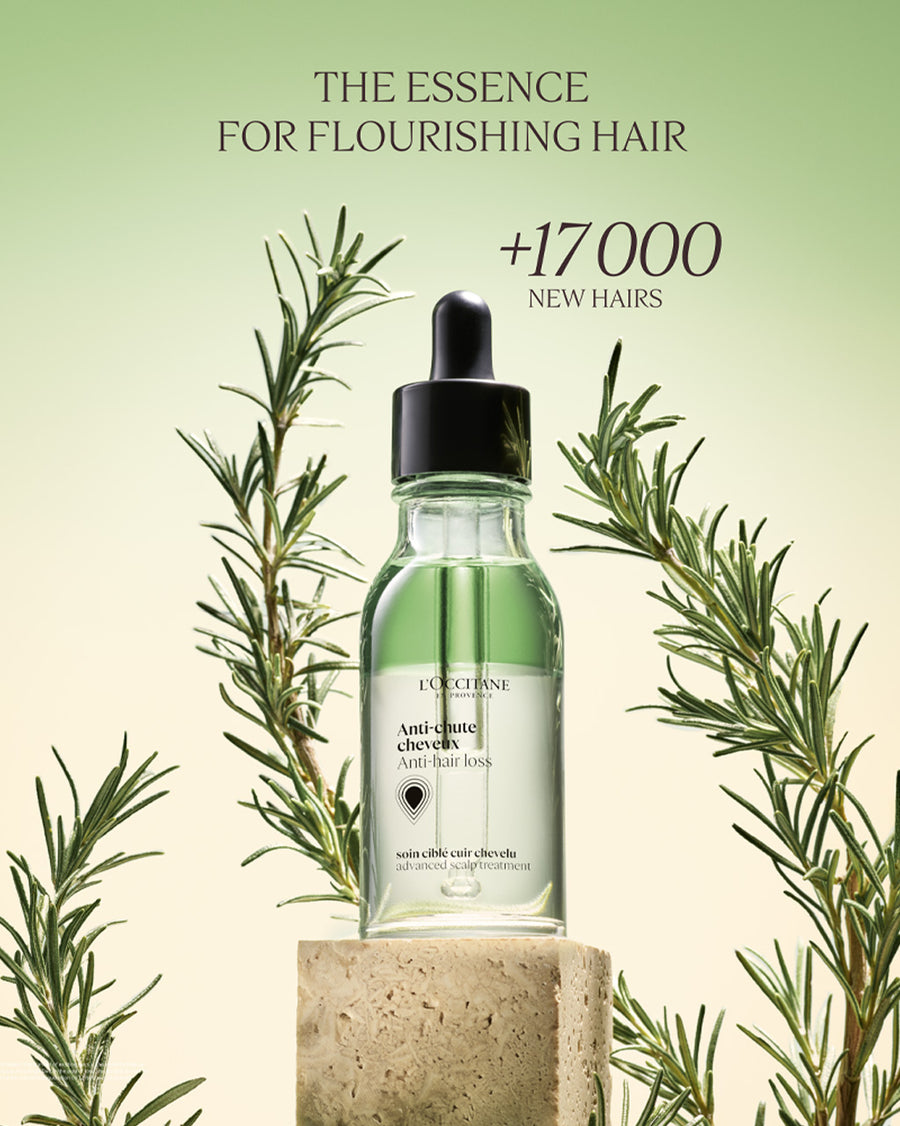
5 Essential Oils Anti-Hair Loss Serum from L’Occitane supports the natural hair growth cycle with lemon oil, Helichrysum italicum flower oil, Swertia japonica extract, sea salt, and vitamin E as an antioxidant. Apply directly to a clean, damp scalp, massage gently until fully absorbed, no rinsing required.
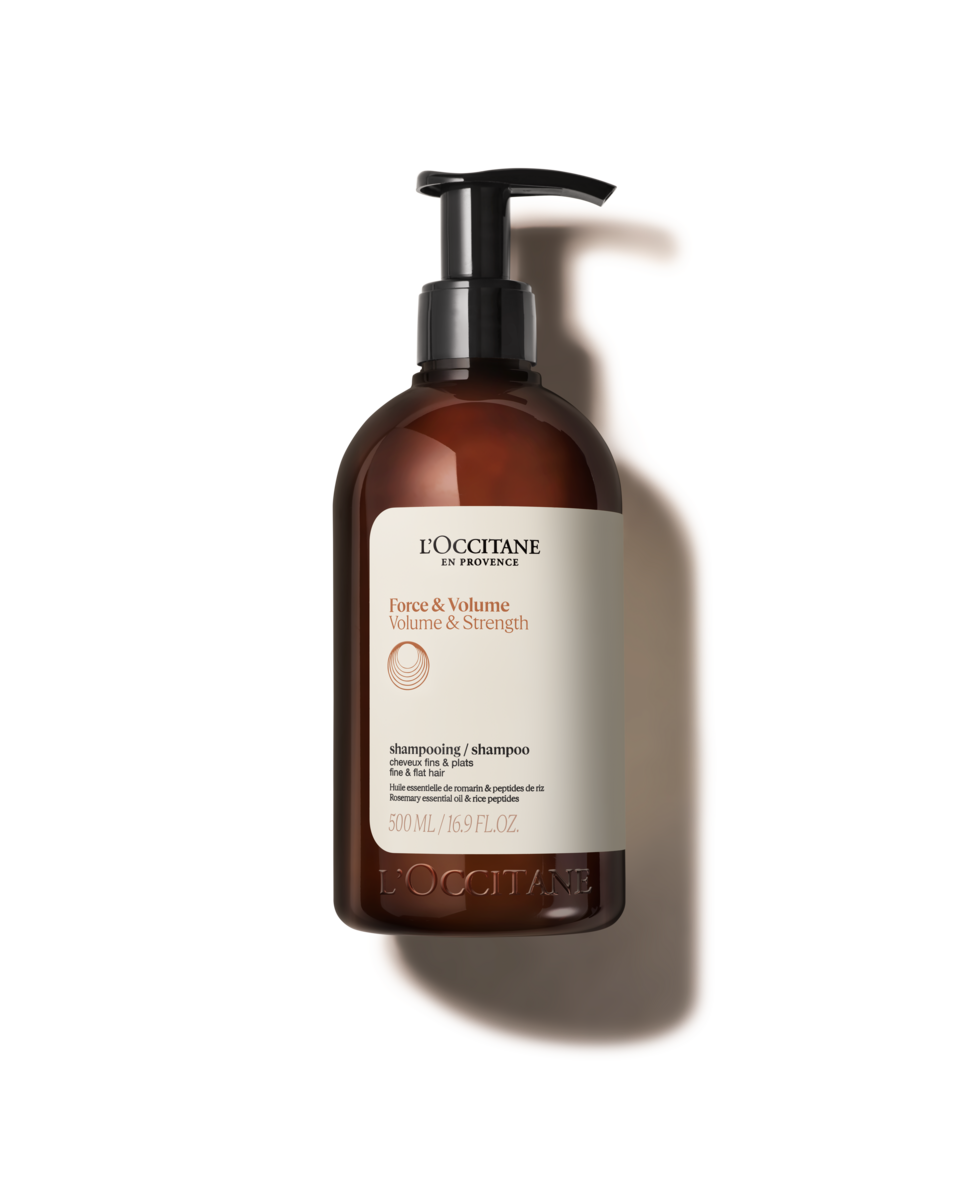
For a more complete routine, Volume & Strength Shampoo with essential oils of rosemary, lemon, juniper, ylang-ylang, and Virginian cedar helps support stronger hair growth.
FAQs About How to Treat Hair Loss Naturally
1. What should I use to stop my hair from falling out?
Use a dedicated anti-hair-loss shampoo, apply a hair tonic or serum regularly after washing, and meet your nutritional needs with protein and iron from daily food intake.
2. What natural ingredient is most effective for treating hair loss?
Aloe vera, olive oil, and red onion are the most frequently recommended, thanks to their ability to nourish and strengthen hair roots.
3. How often should I wash my hair to prevent hair loss?
Ideally two to three times a week. Washing too often can strip away the scalp’s natural oils, which are needed to keep hair strong.
4. What should I do if I am experiencing excessive hair loss?
Switch to gentler care products, avoid heat styling tools, improve your diet, and manage stress well. If hair loss does not improve, consult a dermatologist for further evaluation.
5. How long does it take to see results from natural hair loss treatment?
With consistent care, improvements in hair texture are usually noticeable within a few weeks. More significant new hair growth generally takes around three months of regular use, in line with hair’s natural growth cycle.


