


Causes of Sagging Skin and How to Address It

Sagging skin is often assumed to be purely a sign of aging, but the causes are far more varied than that. Understanding what is actually happening to the skin, and what factors speed it up, is the first step before finding the right solution.
This article covers the causes of sagging skin in depth, including a few factors that may not be widely known, and answers the most commonly asked question: can skin that has already sagged become firm again?
What Actually Happens to Sagging Skin?
Skin firmness is supported by two key proteins, collagen and elastin, which work like a framework beneath the skin's surface. Collagen provides structure and density, while elastin allows skin to stretch and then return to its original shape. When production of either declines or their structure is damaged, skin loses its ability to hold its shape, and this is where sagging becomes visible.
Main Causes of Sagging Skin
1. Natural Aging
Collagen production gradually declines by around 1% each year after your 20s. This decline happens to everyone, but its speed is heavily influenced by other factors such as sun exposure and lifestyle. This is why two people the same age can have very different skin conditions.
2. Sun Exposure
UV rays, particularly UVA, penetrate deeper into the skin and directly damage collagen and elastin fibres. This damage is cumulative, meaning years of unprotected sun exposure continue to build up and accelerate sagging, even on skin that is rarely visible such as the arms and upper body.
3. Drastic Weight Loss
When weight drops rapidly, the fat layer beneath the skin that once supported it from within shrinks along with it. Skin that has been stretched for a long time needs time to adjust to the body's new volume, and for some people, skin does not fully "shrink back" without additional help.

4. Pregnancy
During pregnancy, the skin on the abdomen stretches as the body grows. After giving birth, the skin needs time to readjust, and the rate of recovery can vary from person to person. For those experiencing this specifically, read our complete guide on firming body skin postpartum.
5. Smoking
Toxins in cigarettes, including nicotine, narrow blood vessels and reduce the flow of oxygen and nutrients to the skin. Smoking is also known to directly damage collagen and elastin structure, making it one of the most significant lifestyle factors in accelerating skin sagging.
6. Dehydration
Skin lacking sufficient fluid loses volume and plumpness, making it appear saggier and less radiant. Chronic dehydration, though often overlooked, has a real impact on how skin looks over the long term.
7. Genetic Factors
How quickly skin loses elasticity is partly inherited. In very rare cases, significant skin sagging from a young age can be a sign of a specific genetic condition such as Ehlers-Danlos Syndrome, which affects collagen production in the body. If skin sagging occurs abnormally or is accompanied by other symptoms, consulting a doctor is strongly recommended for further evaluation.
Can Sagging Skin Become Firm Again?
This is the most commonly asked question, and the answer depends on severity, age, and cause.
-
Mildly sagging skin, for example from dehydration or minor weight loss, generally improves significantly with consistent care.
-
Sagging from temporary stretching, such as pregnancy, tends to recover more easily than stretching that has occurred over many years.
-
Very sagging skin from extreme weight loss or advanced aging is harder to fully restore without medical help such as radiofrequency, laser, or in certain cases, surgical procedures.
For most people experiencing mild to moderate sagging, the right, consistent care already delivers visible results.
First Steps to Addressing the Causes of Sagging Skin
Once you understand the causes, the next step is building a routine that targets those factors directly, from maintaining hydration and protecting skin from the sun to using care products that support skin elasticity from the outside.
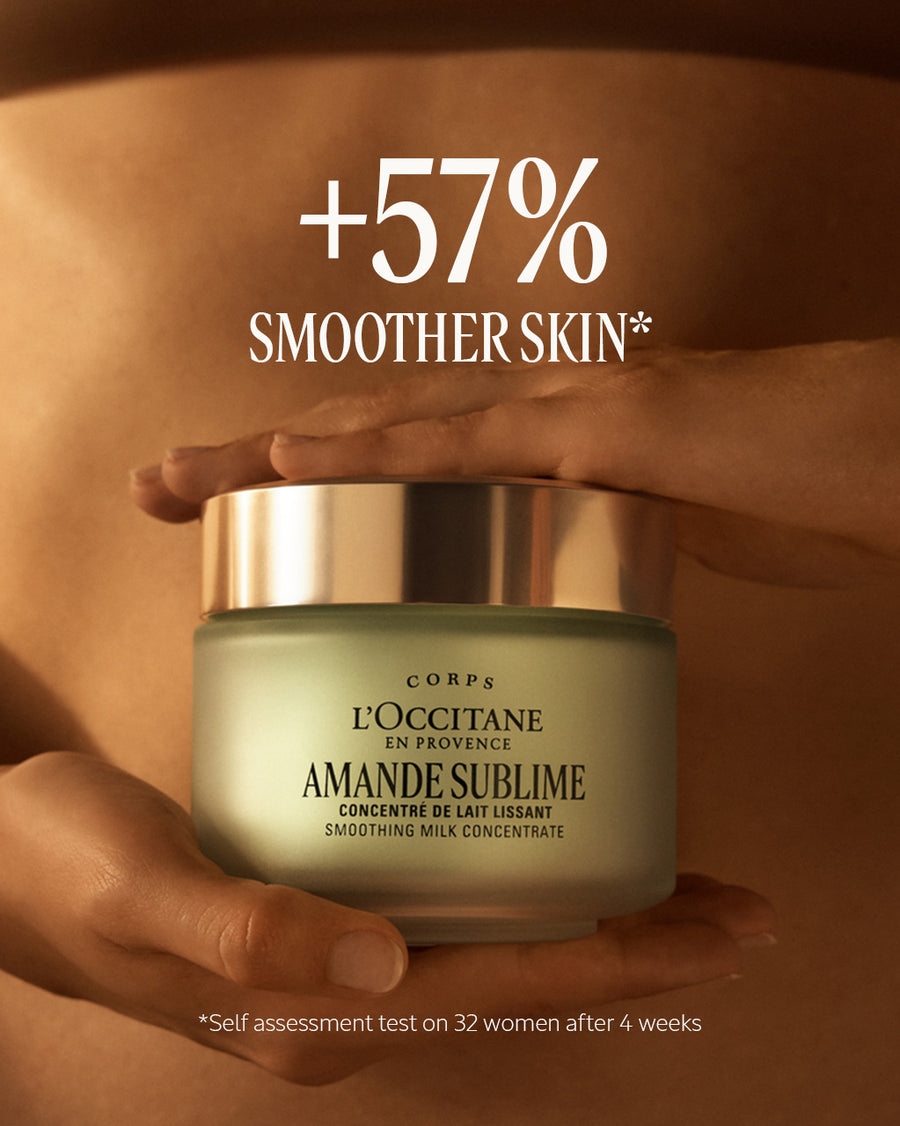
Amande Sublime Smoothing Milk Concentrate from L’Occitane is formulated with almond extract and clinically proven to help improve skin firmness by up to 56% after 4 weeks of regular use, making it an easy topical step to integrate into a daily routine. This product is part of L’Occitane’s Almond Collection.
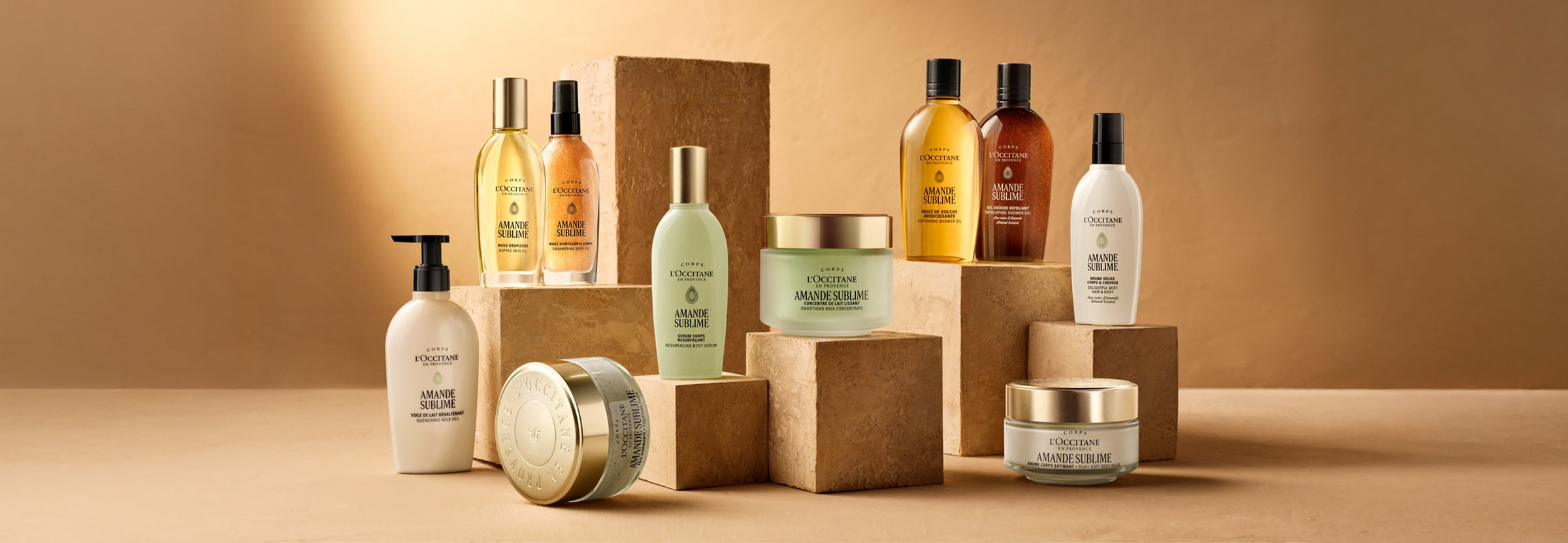
For a complete step-by-step guide, from exercise and nutrition to topical care, read our main article on how to firm body skin naturally.
FAQs About the Causes of Sagging Skin
1. What is the main cause of sagging skin?
The main cause is declining collagen and elastin production from natural aging, worsened by factors such as sun exposure, drastic weight loss, pregnancy, smoking, dehydration, and genetics.
2. At what age does skin start to sag?
Biologically, collagen production starts declining from your 20s, by around 1% each year. However, visible signs of sagging usually only appear in your 30s to 40s, depending on lifestyle and genetic factors.
3. Can sagging skin from pregnancy return to normal?
For many people, the skin may gradually improve after childbirth because the body needs time to adjust. However, the rate of recovery varies from person to person, and the skin does not always return to exactly the same condition as it was before pregnancy.
4. Does sagging skin always mean a health problem?
Not always. Sagging skin is generally part of the natural aging process or bodily changes, and does not necessarily indicate a health problem. However, if the sagging appears suddenly, is highly unusual, or is accompanied by other symptoms, consult a doctor.


