


How to Firm Body Skin Naturally: A Complete Guide

Body skin that starts to feel less firm is a natural part of life, whether due to age, weight changes, or lifestyle factors. That said, it does not mean there is nothing you can do about it.
Skin firmness depends heavily on two key proteins: collagen and elastin. Collagen gives skin its structure and strength, while elastin allows skin to stretch and return to its original shape. Production of both proteins naturally declines with age, but the speed of that decline is strongly influenced by lifestyle, from diet and sun exposure to habits such as smoking.
The good news is there are many natural steps that can help maintain and improve body skin firmness. This guide covers all of them in full, from exercise and nutrition to the right skin care.
Why Does Body Skin Lose Its Firmness?
Before discussing how to address it, it helps to understand the main causes behind it:
-
Natural aging, collagen and elastin production slows with age, usually becoming noticeable from the 30s onward.
-
UV exposure, sunlight damages the collagen and elastin fibres that support skin elasticity.
-
Drastic weight loss, rapid weight changes cause skin to lose the fat layer that once supported it.
-
Dehydration, skin lacking sufficient fluid tends to look saggier and less supple.
-
Smoking, toxins in cigarettes damage collagen structure and disrupt blood flow to the skin.
-
Genetic factors, how quickly skin loses elasticity is also influenced by heredity.
When Does Skin Sagging Start to Show?
As we age, collagen production naturally declines and the skin’s regeneration process also changes. However, the extent of these changes in skin elasticity can vary from person to person. Entering your 30s, this decline becomes more noticeable, fine lines start to appear and skin suppleness gradually decreases. By your 40s, the loss of subcutaneous fat makes areas such as the jawline, arms, and abdomen start to look looser.
Understanding this timeline matters, not to cause worry, but to recognise that preventive steps can actually start much earlier than most people assume, not only after visible signs of sagging have already appeared.
Exercise to Help Firm Body Skin
Exercise does not directly firm the skin, but building muscle mass beneath it helps fill in empty space, making skin appear firmer and better textured.
Strength Training or Weightlifting
Weight training helps build muscle mass gradually. Focus on areas prone to sagging such as the arms, abdomen, and thighs. This type of training also improves blood circulation, which plays an important role in repairing skin tissue elasticity.
Bodyweight Movements
For those not yet used to weights, movements such as push-ups, squats, and planks are already effective for building basic muscle strength. Do these gradually and consistently, ideally several times a week.

Diet and Nutrition for Firmer Skin
What you consume daily has a major impact on your skin's ability to maintain its elasticity.
Increase Antioxidant-Rich Foods
Fruits and vegetables rich in antioxidants help protect skin from free radical damage, which if left unchecked can accelerate collagen breakdown. Include berries, leafy greens, and brightly coloured fruit in your daily diet.
Get Enough Protein
Protein is the building block of collagen and elastin. Sources such as fish, eggs, and nuts help the body produce both proteins optimally.
Stay Hydrated
Drinking enough water, at least 8 glasses a day, helps keep skin hydrated and supple from within. Chronic dehydration is a factor that is often overlooked but has a real impact on how skin looks.
Skin Care From the Outside
Beyond lifestyle, the right topical care also plays an important role in maintaining body skin firmness.
Use a Moisturiser or Firming Body Lotion
Choose a moisturiser specifically formulated to help improve skin elasticity. Products with active ingredients that support collagen production can help maintain skin suppleness from the outside, complementing care from within.
Exfoliate Regularly
Exfoliation helps remove dead skin cells and stimulate new cell regeneration, leaving skin smoother and allowing other care products to absorb more effectively. Once or twice a week is enough to avoid overdoing it.
Always Use Sunscreen
UV exposure is one of the main causes of collagen damage. Applying sunscreen every time you are outdoors, even on cloudy days, is a preventive step that is often overlooked but essential for maintaining skin firmness in the long run.
Other Lifestyle Habits That Matter
Beyond exercise, nutrition, and topical care, a few other daily habits also play a role in maintaining body skin firmness over the long term.
Get Enough Quality Sleep
Skin does most of its regeneration while you sleep. Chronic lack of sleep can disrupt collagen production and speed up the appearance of aging signs on the skin, including sagging. Aim for 7 to 8 hours of sleep each night to give skin time to repair itself.
Avoid or Reduce Smoking
Beyond directly damaging collagen structure, smoking also narrows blood vessels, meaning less oxygen and nutrients reach the skin. The effects show not only on the face but on body skin overall over time.
When Should You Consider Medical Treatment?
For skin sagging that is fairly significant and does not change much despite consistently applying natural methods, there are a few non-surgical procedures available at aesthetic clinics, such as radiofrequency (RF) or laser, which work by stimulating new collagen formation in the deeper layers of skin. For far more severe cases, surgical procedures such as a tummy tuck may be an option to permanently remove excess skin.
These steps should be discussed directly with a dermatologist or aesthetic doctor to ensure treatment suited to each individual's skin condition.
How Long Does It Take to See Results?
How successful skin firming is depends heavily on age, severity, and cause. Skin that has loosened from mild dehydration or minor weight loss generally improves within weeks to a few months with consistent care. However, skin that is very loose from extreme weight loss or advanced aging tends to be harder to fully restore without medical help such as radiofrequency or other non-surgical procedures.
For most people experiencing mild to moderate sagging, a combination of exercise, the right nutrition, and consistent topical care is enough to deliver visible improvement. If skin does not improve despite applying the steps above, consulting a dermatologist can help determine treatment better suited to your condition.
Recommended Care From L’Occitane
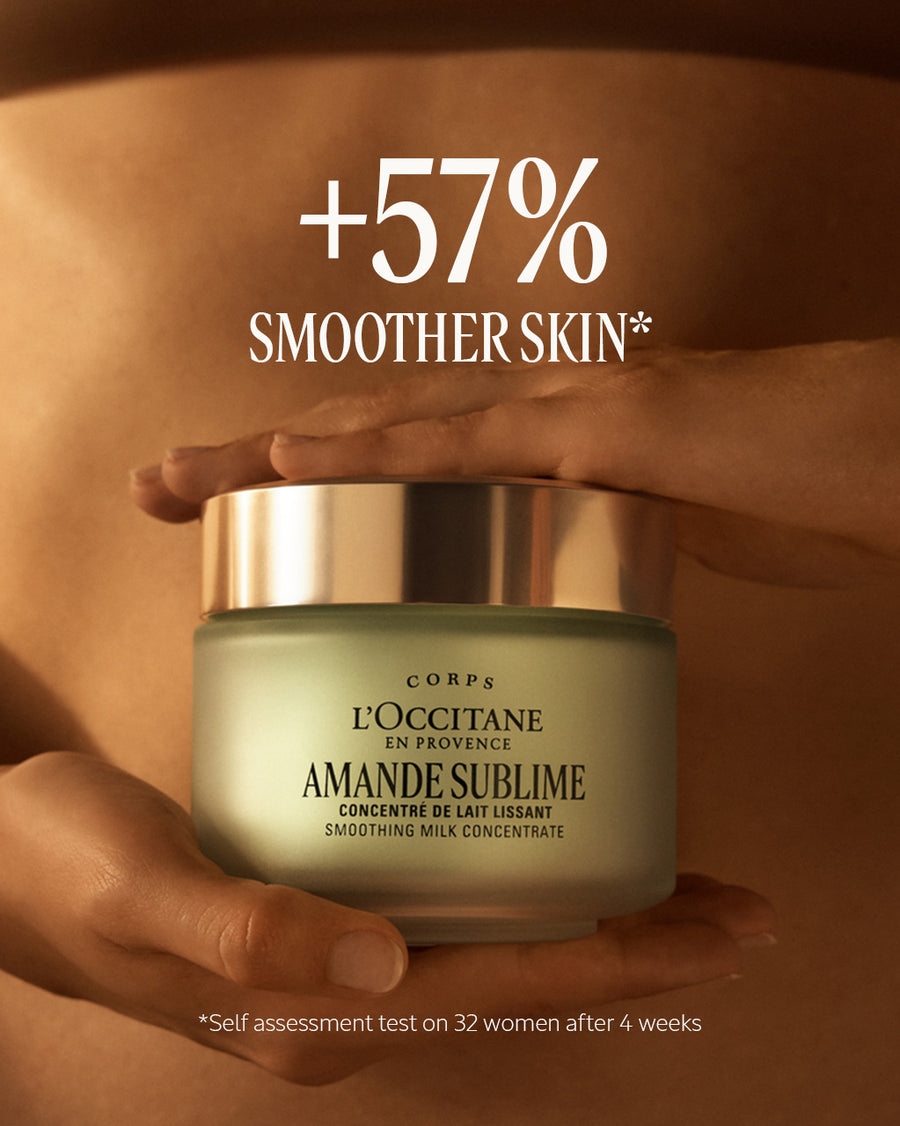
Amande Sublime Smoothing Milk Concentrate from L’Occitane is formulated with Almond Extract and clinically tested to help improve skin firmness by up to 56% after 4 weeks of regular use. Applied after showering while skin is still slightly damp, this product is an easy daily step to integrate into any routine.
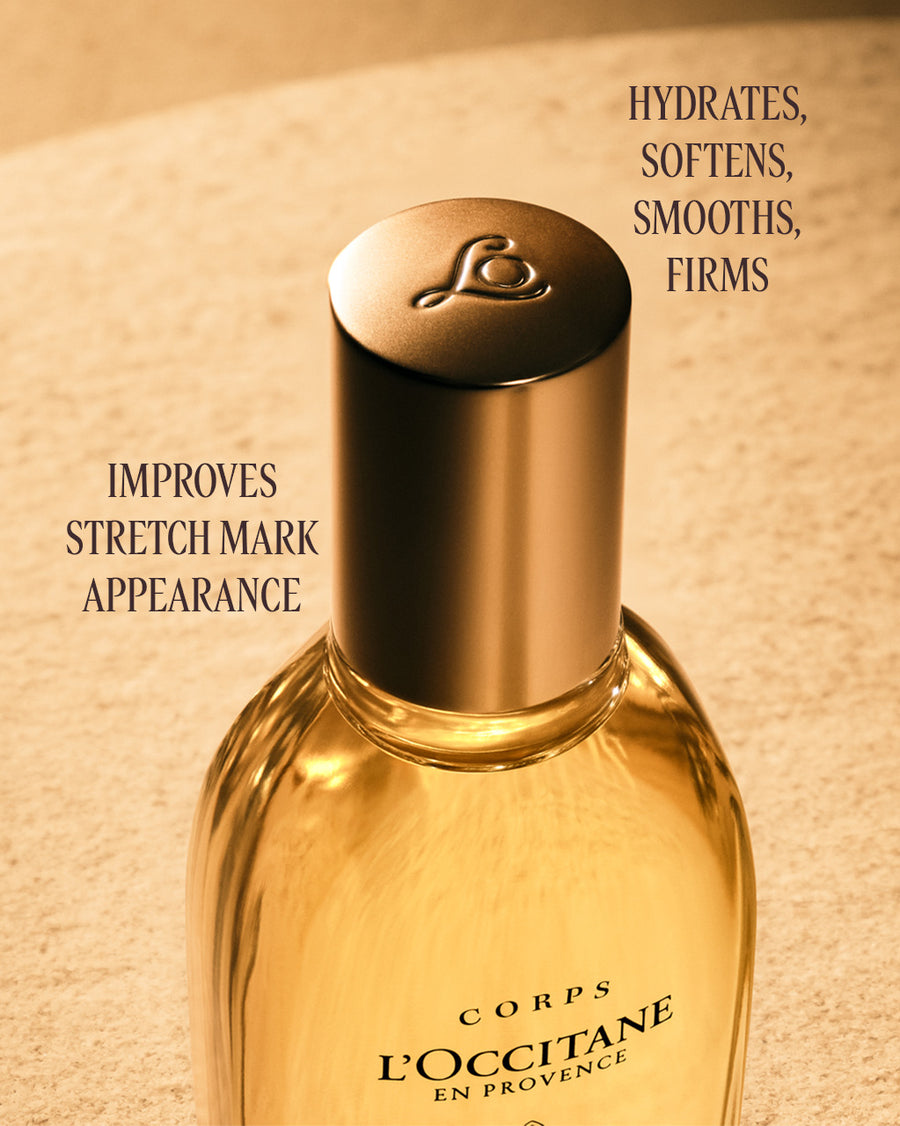
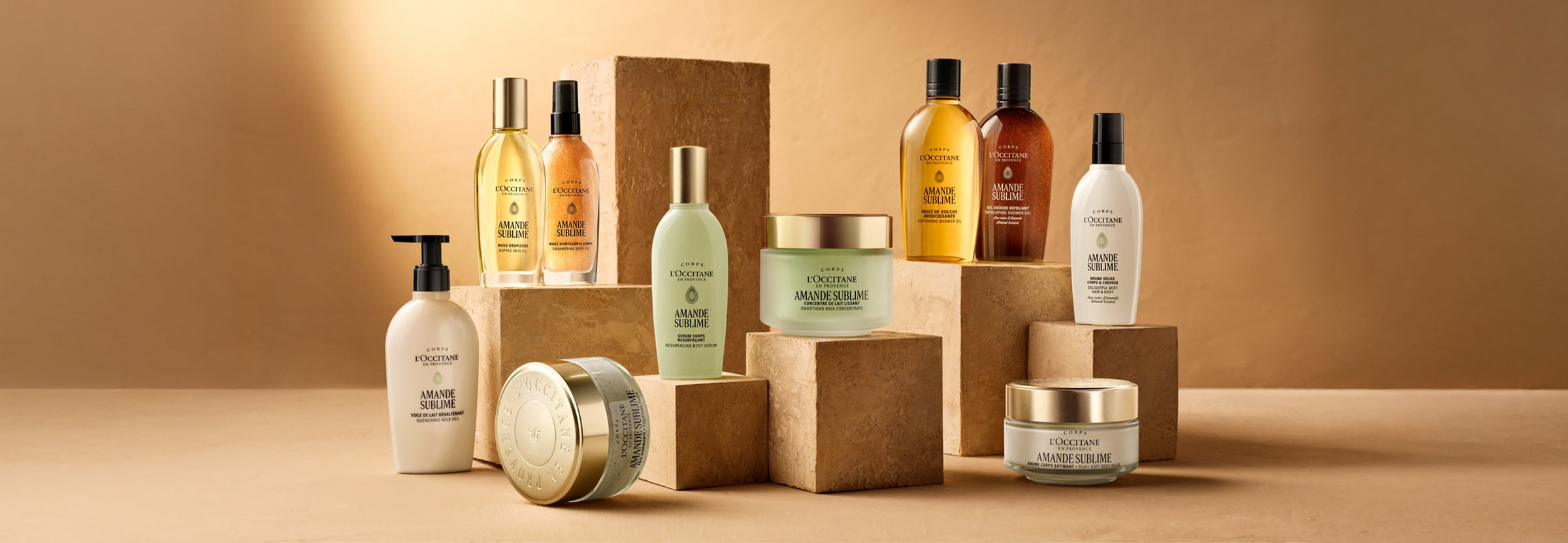
For more intensive additional care, Amande Sublime Supple Skin Oil is enriched with softening almond oil and a silicium complex that helps improve skin elasticity. Both products are part of L’Occitane’s Almond Collection, designed to support overall body skin firmness and moisture.
To understand the specific causes of sagging skin in more depth, read our article on causes of sagging skin and how to address it. For those experiencing loose skin after childbirth, also read our dedicated guide on firming body skin postpartum.
FAQs About How to Firm Body Skin Naturally
1. Can sagging skin become fully firm again?
It depends on severity and cause. Mildly sagging skin from dehydration or minor weight loss often improves significantly with consistent care. Very sagging skin from extreme weight loss or advanced age may need medical help for maximum results.
2. What should I use to keep skin firm?
A combination of a moisturiser or firming lotion with active ingredients, daily sunscreen, and maintaining overall health through hydration and adequate nutrition is the most effective combination.
3. Does exercise really help firm skin?
Yes, though indirectly. Exercise builds muscle mass beneath the skin, which helps fill in empty space so skin appears firmer and better textured.
4. How important is sunscreen for maintaining skin firmness?
Very important. UV exposure is one of the main causes of collagen and elastin damage, making daily sunscreen use a long-term preventive step that should not be skipped.
5. How long does it take to see results from firming body skin?
For mild to moderate sagging, improvement is usually felt within a few weeks of consistent care, with more significant results visible after around 4 weeks of regular use.


